
Traditional Chinese medicine syndrome differentiation and treatment of urticaria require selecting corresponding plans based on the syndrome type. Common syndrome types include wind heat invading the surface syndrome, wind cold bundle surface syndrome, gastrointestinal damp heat syndrome, blood deficiency and wind dryness syndrome, and Chong Ren imbalance syndrome. Traditional Chinese medicine treatment mainly improves symptoms by dispersing wind and heat, removing cold and dampness, and harmonizing qi and blood. Common methods include oral administration of traditional Chinese medicine, acupuncture and moxibustion, cupping, and acupoint application.
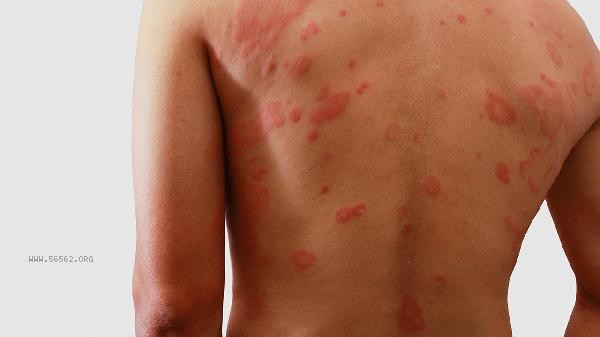
1. Wind heat invasion surface syndrome
Wind heat invasion surface syndrome is characterized by bright red wind masses, burning and itching, aggravated by heat, and may be accompanied by fever and evil wind. The treatment mainly focuses on dispelling wind and clearing heat, and commonly uses modified Xiaofeng Powder, which contains ingredients such as catnip, windbreak, and cicada molt. Traditional Chinese patent medicines and simple preparations can choose Fangfeng Tongsheng Pill and Yinqiao Jiedu Granule. Acupuncture and moxibustion points such as Quchi and Xuehai are selected to dissipate wind and heat. Patients should avoid spicy and irritating foods and keep their skin clean.
2. Wind cold bundle surface syndrome
Wind cold bundle surface syndrome can see white colored wind masses, which worsen when exposed to cold, slow when warm, and pale tongue coating. The treatment method is suitable for dispelling wind and dispelling cold. The formula includes half of Guizhi and ephedra decoction, which is modified to contain medicinal herbs of Guizhi and ephedra isothermal dispersion. Traditional Chinese patent medicines and simple preparations Rujingfang Granule and Yupingfeng Granule can be selected. Moxibustion of the Dazhui and Fengmen acupoints can help dispel wind chill. Pay attention to keeping warm in daily life and avoid eating raw and cold food.
3. Gastrointestinal Damp Heat Syndrome
Gastrointestinal Damp Heat Syndrome is often accompanied by abdominal distension and pain, sticky stools, red wind masses, and itching. The treatment requires clearing heat and dispelling dampness. The formula is Yin Chen Hao Tang combined with Baohe Wan, which contains ingredients such as Yin Chen and Gardenia. Traditional Chinese patent medicines and simple preparations such as Huoxiang Zhengqi Capsule and Zhishi Daozhi Pill can regulate the gastrointestinal tract. Acupuncture at Zusanli and Zhongwan acupoints can strengthen the spleen and dispel dampness. Diet should be light and avoid greasy sweets.
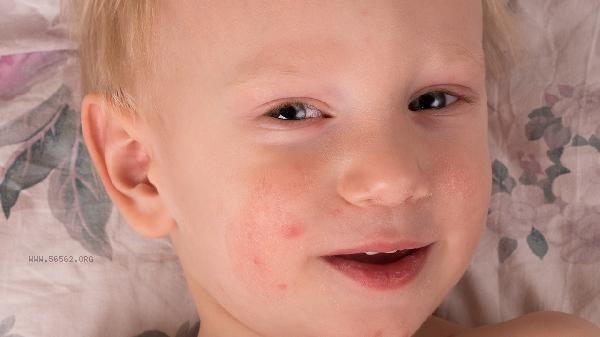
4. Blood deficiency and wind dryness syndrome
Blood deficiency and wind dryness syndrome often have recurrent wind masses, dry and flaky skin, and severe itching at night. The treatment focuses on nourishing blood and moistening dryness. The formula uses modified Danggui Yinzi, which contains blood nourishing herbs such as Danggui and Baishao. Traditional Chinese patent medicines and simple preparations such as Runzao Antipruritic Capsule and Siwu Mixture can be selected. Ear acupressure selects acupoints such as Shenmen and Endocrine to regulate qi and blood. It is recommended to consume blood nourishing foods such as red dates and black sesame seeds appropriately.
5. Imbalance between Chong and Ren Syndrome
Imbalance between Chong and Ren Syndrome is more common in women before and after menstruation, accompanied by menstrual disorders. The treatment requires the adjustment of Chong Ren, and the formula is Siwu Tang combined with Er Zhi Wan, which contains ingredients such as Rehmannia glutinosa and Ligustrum lucidum. Traditional Chinese patent medicines and simple preparations such as Xiaoyao Pill and Wuji Baifeng Pill can regulate endocrine. Moxibustion at Guan Yuan and San Yin Jiao acupoints can regulate Chong Ren. Maintain a relaxed mood and avoid overexertion. In addition to traditional Chinese medicine treatment, patients with urticaria should record the triggering factors such as food, environment, etc., and avoid scratching the skin. Wear loose cotton clothing and maintain appropriate temperature and humidity indoors. During acute attacks, cold compress can relieve itching, while chronic patients can practice health exercises such as Ba Duan Jin to enhance their physical fitness. If severe symptoms such as laryngeal edema and difficulty breathing occur, seek medical attention immediately. During the treatment period, avoiding seafood, lamb, and other foods, quitting smoking and drinking, and maintaining a regular daily routine can help balance qi and blood.





Comments (0)
Leave a Comment
No comments yet
Be the first to share your thoughts!