
Traditional Chinese medicine divides edema into two categories: yang water and yin water, as well as six syndrome types: Feng Shui overflow, dampness toxin immersion, water dampness immersion, damp heat stagnation, spleen yang deficiency and decline, and kidney yang decline. Treatment requires differentiation and treatment.
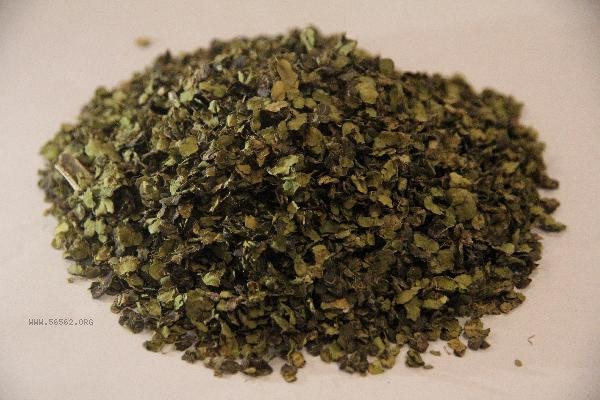
1. Feng Shui flood
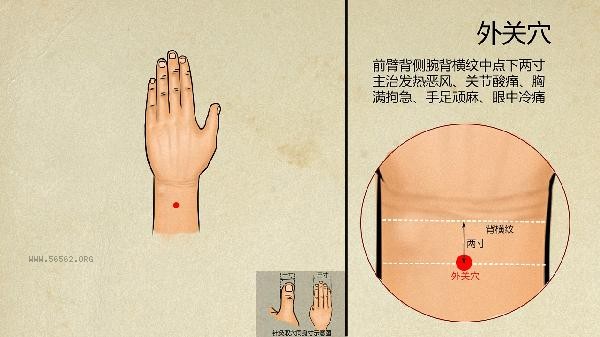
is often caused by the invasion of wind evil on the surface and the loss of lung circulation, manifested as eyelid swelling followed by the whole body, accompanied by evil wind and fever. Commonly used Vietnamese maid and surgical soup is sweating and hydrating, containing ingredients such as ephedra and gypsum. In the acute phase, acupuncture at Fengchi and Hegu points can be combined. The diet should be light and avoid seafood.
2. Damp toxin immersion
is commonly seen in the invagination of skin ulcers, with visible edema accompanied by skin sores. Fang Xuan Ma Huang Lian Qiao Chi Xiao Dou Tang is a heat clearing and detoxifying soup containing Forsythia suspensa, red beans, and other ingredients. External treatment can be achieved by applying Jin Huang San to the affected area. Keep your skin clean and avoid scratching.
3. Water immersion
Due to long-term residence in wetlands and loss of spleen function, edema occurs without fingers, and the body becomes heavy and tired. The main formula is Wuling San combined with Wupi Yin, which contains spleen strengthening and dampness reducing drugs such as Poria cocos and Big Belly Skin. Moxibustion of Zusanli and Yinlingquan can enhance therapeutic effects. Limit sodium intake, and use red beans to cook Congee.
Fourth, damp heat stagnation
caused by the accumulation of three burners in damp heat, resulting in swelling all over the body, urgent and shiny skin, red urine, and constipation. Shuzao Yinzi is modified to include medicinal herbs such as Shanglu and Betel Nut for removing water. It can be combined with ear tip bloodletting to relieve heat, and daily consumption of corn silk tea. Avoid spicy and greasy food.
Fifth, spleen yang deficiency and decline
Insufficient water and dampness in the spleen yang can cause edema below the waist, accompanied by tightness in the epigastric region and loose stools. Shi Pi Yin is the basic formula, containing warm yang medicines such as Fuzi and dried ginger. Moxibusting the Shenque and Guanyuan acupoints with ginger. It is advisable to consume foods that strengthen the spleen, such as yam and lotus seeds, and avoid raw and cold foods.
Sixth, the decline of kidney yang
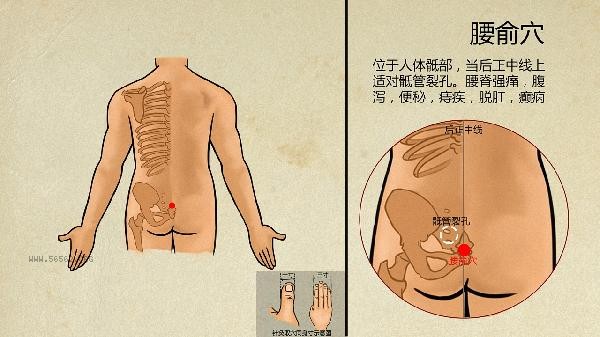
is accompanied by the overflow of fluids from the fire of the gate of life, with a floating face and swollen body, especially below the waist. The limbs are cold and mentally exhausted. Zhenwu Tang Heji Shengshen Qi Wan is the main ingredient, containing cinnamon and Achyranthes bidentata as an isothermal kidney medicine. Du Mai moxibustion can warm and nourish kidney yang. It is recommended to eat black beans and walnuts, and pay attention to keeping the waist warm in winter. Edema patients need to regularly monitor changes in weight and urine output, and record 24-hour intake and output. Mild edema should be controlled at less than 3 grams of salt per day, and moderate to severe cases should be limited to 1 gram. Properly consume water beneficial ingredients such as winter melon and coix seed, and raise the lower limbs when lying flat. If there is difficulty breathing or a sharp decrease in urine output, seek medical attention immediately. Cooperating with movements such as "regulating the spleen and stomach with a single lift" in the Eight Section Brocade can assist in spleen function.





Comments (0)
Leave a Comment
No comments yet
Be the first to share your thoughts!