
The TCM treatment of urticaria mainly includes the wind cold bundle phenotype, wind heat attack phenotype, gastrointestinal damp heat type, blood deficiency and wind dryness type, Chong Ren disharmony type and other types. It is necessary to select the corresponding Chinese medicine prescription or traditional Chinese patent medicines and simple preparations conditioning according to the syndrome type.
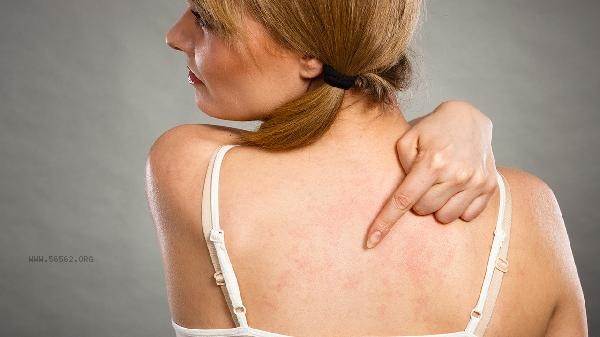
1. Wind cold bundle phenotype
Wind cold bundle phenotype Urticaria is characterized by white wind masses, aggravated by cold, accompanied by symptoms such as chills and lack of sweating. The treatment mainly focuses on dispelling wind and dispelling cold, and commonly uses half and a half decoction of ephedra and cassia branches with modifications. Traditional Chinese patent medicines and simple preparations can choose Jingfang Granule, which contains Schizonepeta tenuifolia, Saposhnikovia divaricata and other ingredients, and can relieve skin itching caused by wind chill. Patients should avoid direct cold air blowing, pay attention to keeping warm in winter, and have a warm diet.
II. Wind heat attack phenotype
Wind heat attack phenotype: Urticaria can be characterized by red colored wind clusters, burning and intense itching, which worsen when exposed to heat. Treatment should be focused on dispelling wind and clearing heat, and commonly used is the modified version of Xiaofeng Powder. Traditional Chinese patent medicines and simple preparations, such as Fangfeng Tongsheng Pill, contains forsythia, gypsum and other ingredients, and is suitable for wind heat skin accumulation syndrome. Patients should keep their skin clean, avoid spicy and irritating foods, and maintain ventilation and coolness indoors.
III. Gastrointestinal Damp Heat Type
Gastrointestinal Damp Heat Type Urticaria is often accompanied by abdominal distension, sticky stool, red and swollen wheals. The treatment requires clearing heat and dampness, promoting the circulation of organs, and eliminating turbidity. The formula is modified with Fangfeng Tongsheng San and Yinchenhao Tang. Traditional Chinese patent medicines and simple preparations Rufuyang Granule contains ingredients such as scutellaria baicalensis and cortex dictamni, which can clear away dampness and heat. Patients should avoid consuming fatty, sweet, and rich foods, and drink moisture reducing ingredients such as Job's tears and adzuki beans appropriately.
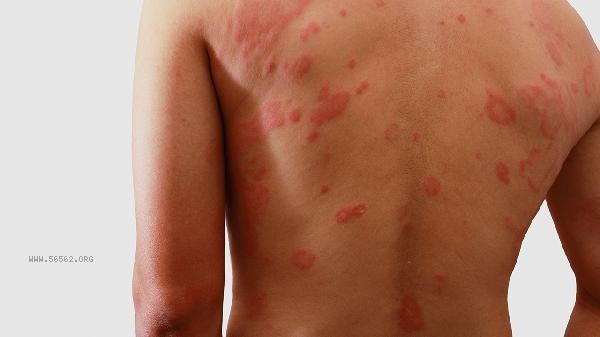
4. Blood deficiency and wind dryness type
Blood deficiency and wind dryness type urticaria is common in chronic patients, characterized by dry and flaky skin and severe itching at night. The treatment mainly focuses on nourishing blood and moistening dryness, and the formula is modified with Danggui Yinzi. Traditional Chinese patent medicines and simple preparations, such as Runzao Antipruritic Capsule, contains Chinese angelica, raw rehmannia and other blood nourishing herbs. Patients can consume appropriate amounts of blood nourishing foods such as black sesame seeds and walnuts to avoid excessive bathing and alkaline detergent irritation.
V. Imbalance between the Chong and Ren types
Imbalance between the Chong and Ren types of urticaria is more common in women before and after menstruation and is related to changes in hormones. The treatment needs to balance the balance of Chong and Ren, and the formula is Danzhi Xiaoyao Powder with modifications. Traditional Chinese patent medicines and simple preparations, such as Jiawei Xiaoyao Pill, contains ingredients such as bupleurum root, white peony root, which can soothe the liver and regulate qi. Patients should maintain emotional stability, avoid fatigue during menstruation, and can cooperate with acupuncture points such as Sanyinjiao for regulation.
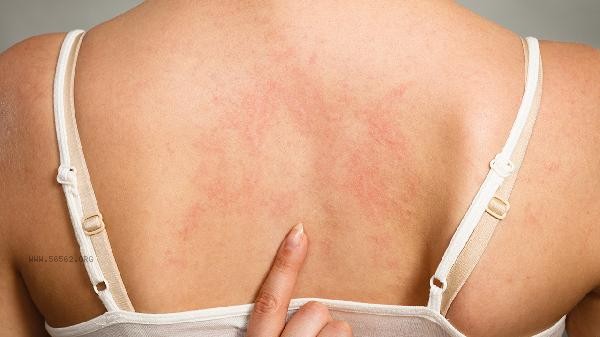
In addition to traditional Chinese medicine syndrome differentiation treatment, patients with urticaria should record the triggering factors and avoid contact with allergens, and wear loose cotton clothing to reduce friction. Chronic patients can persist in using Yupingfeng Powder and other methods to stabilize the body and strengthen the surface, combined with gentle exercises such as Baduanjin to enhance physical fitness. During acute attacks, avoid eating fish, shrimp, crabs, and other substances. If symptoms persist or are accompanied by severe reactions such as difficulty breathing, seek medical attention promptly.





Comments (0)
Leave a Comment
No comments yet
Be the first to share your thoughts!