
The TCM classification and treatment of rhinitis mainly include wind cold attacking the lungs, wind heat invading the lungs, lung spleen qi deficiency, liver gallbladder damp heat, lung kidney yin deficiency and other syndrome types. Traditional Chinese medicine treatment for rhinitis requires differentiation and treatment based on different syndrome types, using corresponding prescriptions or external treatment methods, while combining lifestyle care to improve symptoms.

1. Wind cold attacking lung type
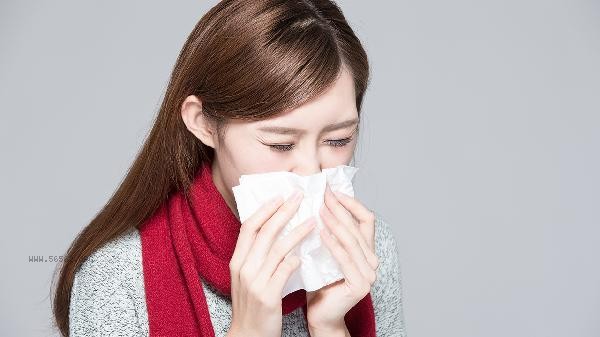
Wind cold attacking lung type rhinitis is often caused by external wind cold, manifested as nasal congestion, heavy runny nose, sneezing, chills and fever. The treatment mainly focuses on warming the exterior and promoting lung circulation. Commonly used formulas such as Xinyi Qingfei Yin can be modified and combined with moxibustion at Yingxiang acupoint. Patients should avoid exposure to cold air and use ginger brown sugar water to assist in dispelling coldness.
II. Wind heat invading lung type
Wind heat invading lung type rhinitis is commonly characterized by nasal congestion, yellow nose, sore throat, and headache, which are often caused by external wind heat or wind cold heat. The treatment is suitable for dispelling wind, clearing heat, and opening the orifices. The formula is Cang Er Zi San and Yin Qiao San with modifications, which can be combined with chrysanthemum mint tea drinks. During the attack, avoid eating spicy and hot foods and maintain indoor air circulation.
III. Pulmonary spleen qi deficiency type
Pulmonary spleen qi deficiency type rhinitis is characterized by repeated nasal congestion, clear nasal discharge, decreased sense of smell, shortness of breath and fatigue, often caused by long-term illness, weakness or fatigue that damages the spleen. The treatment needs to strengthen the spleen and benefit the lung, warm the yang and strengthen the exterior. Yupingfeng Powder is commonly used in combination with Buzhong Yiqi Decoction, and yam lotus seed Congee can be used for conditioning. Patients should exercise moderately to enhance their physical fitness and avoid excessive fatigue.
4. Liver and gallbladder damp heat type
Liver and gallbladder damp heat type rhinitis is often characterized by nasal congestion, yellow and thick nasal discharge, bitter mouth, dry throat, irritability and irritability, which are related to emotional disorders or irregular diet. The treatment is suitable for clearing and eliminating damp heat in the liver and gallbladder. The prescription should be modified with Longdan Xiegan Tang, which can be combined with Yin Chen Hao tea drinks. Maintain emotional stability and limit intake of oily and spicy foods.
V. Pulmonary and Kidney Yin Deficiency Type
Pulmonary and Kidney Yin Deficiency Type Rhinitis is commonly characterized by symptoms such as burning of the nasal trunk, less scabbing of the nose, dry throat cough, etc., which are often caused by long-term illness that damages the yin or excessive sexual activity. The treatment needs to nourish yin, moisten dryness and dredge the orifices. Then use Lily Gujin Decoction and Shengmai Powder. You can eat snow pear Broth of white fungus to nourish yin. Patients should avoid staying up late and damaging their genitals, and maintain a suitable humidity environment.
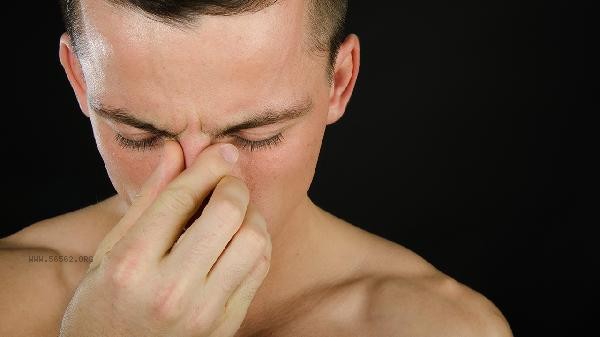
Traditional Chinese medicine treatment for rhinitis should adhere to the combination of syndrome differentiation and disease differentiation. In the acute phase, the main approach is to eliminate pathogens, while in the remission phase, emphasis should be placed on strengthening the body and consolidating the foundation. Daily attention should be paid to keeping warm and avoiding contact with allergens, keeping the nasal cavity clean, and engaging in moderate health exercises such as Ba Duan Jin. Diet should be light and nutritious, avoiding raw, cold, and spicy foods. If the symptoms persist or are accompanied by severe headaches and purulent discharge, timely medical attention should be sought to rule out complications such as sinusitis. During the treatment period, medication should be taken according to the doctor's advice and the dosage should not be increased or decreased on one's own.





Comments (0)
Leave a Comment
No comments yet
Be the first to share your thoughts!