
Traditional Chinese medicine believes that seborrheic alopecia is mainly related to factors such as liver and kidney deficiency, damp heat accumulation, qi and blood deficiency, blood heat generating wind, and phlegm dampness obstruction. Targeted regulation of visceral function and improvement of scalp microenvironment can be achieved through syndrome differentiation and treatment.
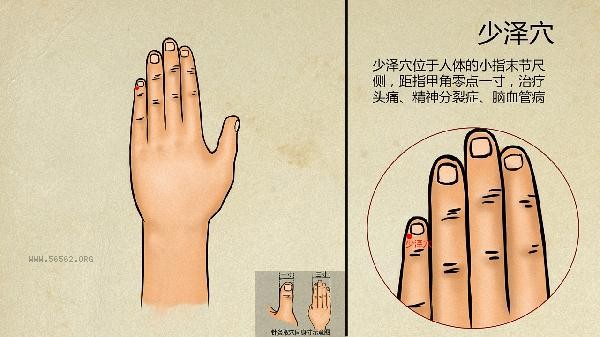
1. Insufficient liver and kidney function
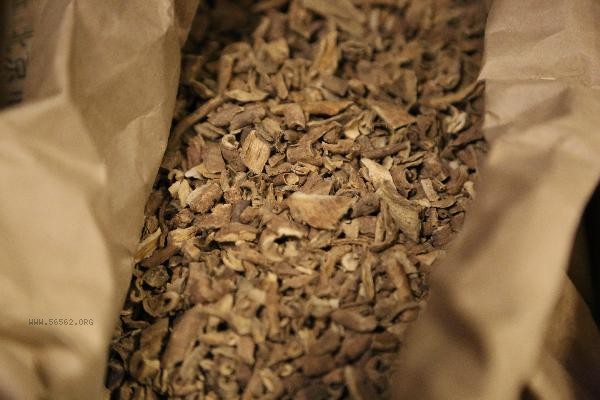
The kidney is responsible for bone regeneration and marrow formation, while the liver is responsible for storing blood and generating marrow. Insufficient innate endowment or excessive sexual labor can lead to deficiency of essence and blood, manifested as sparse and soft hair, accompanied by soreness and weakness in the waist and knees. Qibao Meiran Wan can be used in combination with medicinal herbs such as Polygonum multiflorum and Rehmannia glutinosa to nourish the kidneys and replenish essence. It is important to avoid staying up late and damaging yin blood.
2. Damp heat accumulation
Excessive consumption of fat, sweet, and thick flavors or external dampness and evil can cause dampness and heat to steam up the meridians, corroding the hair roots and leading to greasy, flaky, and itchy scalp. Commonly used modifications to the Bai Xue Shen Shi Tang, combined with washing with side cypress leaves and fresh white skin. Patients need to reduce their high sugar and high-fat diet and keep their scalp clean and dry.
3. Deficiency of Qi and Blood
Excessive thinking or prolonged illness can damage Qi and blood, leading to loss of nourishment and shedding, often accompanied by pale complexion and fatigue. Guipi Tang combined with Siwu Tang can strengthen the spleen, invigorate qi, and nourish blood, supplemented by dietary therapies such as black sesame and mulberry. Proper exercise helps promote the circulation of qi and blood.
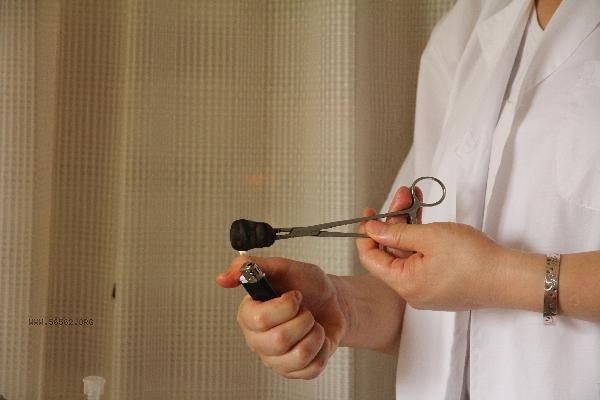
4. Blood heat generates wind
Poor emotional flow or frequent dyeing and perming, blood heat generates wind that disturbs the roots of the hair, often causing sudden hair loss and scalp burning. The combination of Liangxue Xiaofeng Powder with peony bark and red peony can clear heat and cool blood, while also regulating emotions to avoid anxiety and stimulation.
5. Phlegm and Dampness Blockade
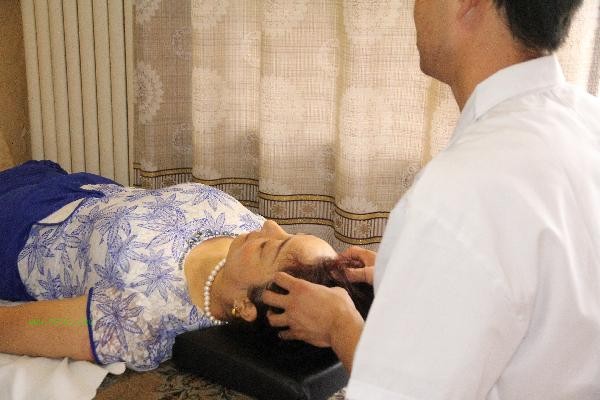
Spleen dysfunction leads to the production of phlegm and dampness, which blocks the hair follicles along the meridians, resulting in greasy and sticky hair, thick and numb scalp. Er Chen Tang is modified and combined with lotus leaves and diarrhea to relieve dampness and phlegm. It is recommended that patients increase aerobic exercise to promote metabolism. During the treatment period, it is important to maintain a regular routine and avoid excessive washing and stimulation. Massage the scalp with a wooden comb daily to promote blood circulation, and choose ingredients such as yam and Poria cocos to strengthen the spleen and promote dampness in the diet. If hair loss continues to worsen or is accompanied by other systemic symptoms, seek medical attention promptly to rule out organic diseases. Traditional Chinese medicine conditioning requires a 3-6 month cycle and good lifestyle habits to take effect.





Comments (0)
Leave a Comment
No comments yet
Be the first to share your thoughts!