
The treatment methods of depression in traditional Chinese medicine mainly include Chinese medicine conditioning, acupuncture and moxibustion treatment, massage, emotion regulation, Qigong guidance, etc. Traditional Chinese Medicine believes that depression may be related to factors such as liver qi stagnation, insufficient qi and blood, phlegm and dampness obstruction, heart and spleen deficiency, and kidney essence deficiency. It usually manifests as symptoms such as low mood, decreased interest, sleep disorders, changes in appetite, and lack of energy.
1. Traditional Chinese Medicine Conditioning
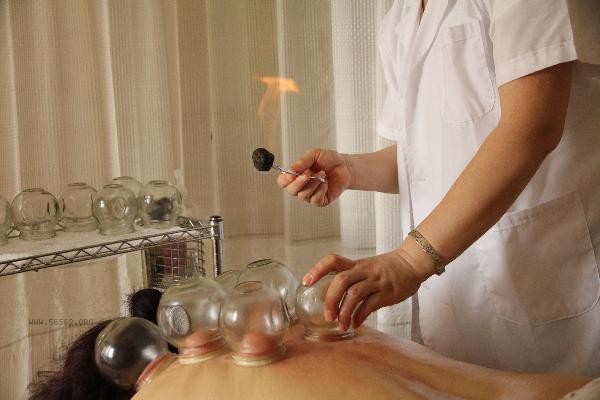
Traditional Chinese medicine conditioning is a commonly used method for treating depression in traditional Chinese medicine, and different prescriptions are selected based on syndrome differentiation. For liver qi stagnation type, Chaihu Shugan San can be modified. For qi and blood deficiency type, Guipi Tang can be used. For phlegm dampness blockage type, Wendan Tang can be used. For heart spleen deficiency type, Ganmai Dazao Tang is suitable. For kidney essence deficiency type, Liuwei Dihuang Wan can be used. Commonly used traditional Chinese medicines include Bupleurum chinense, Paeonia lactiflora, Poria cocos, licorice, etc., which should be used under the guidance of a traditional Chinese medicine practitioner for syndrome differentiation.
2. acupuncture and moxibustion Treatment
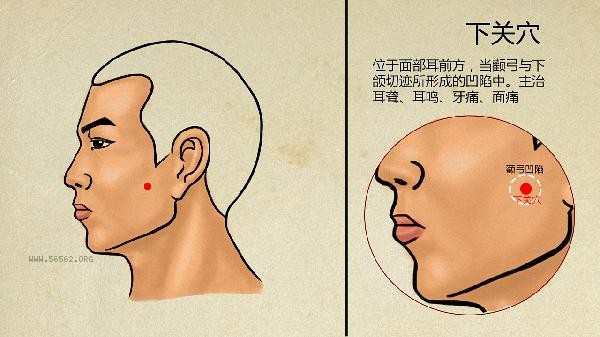
acupuncture and moxibustion can regulate the movement of qi and blood by stimulating specific points to improve depressive symptoms. Common acupoints include Baihui, Shenmen, Neiguan, Taichong, Sanyinjiao, etc. The liver depression and qi stagnation type can be treated with Qimen and Yanglingquan, the heart spleen deficiency type can be treated with Xinshu and Spleen Shu, and the kidney deficiency type can be treated with Shenshu and Taixi. Acupuncture and moxibustion treatment should be performed by professional acupuncture and moxibustion, generally 10-15 times as a course of treatment.
3. Tuina Massage
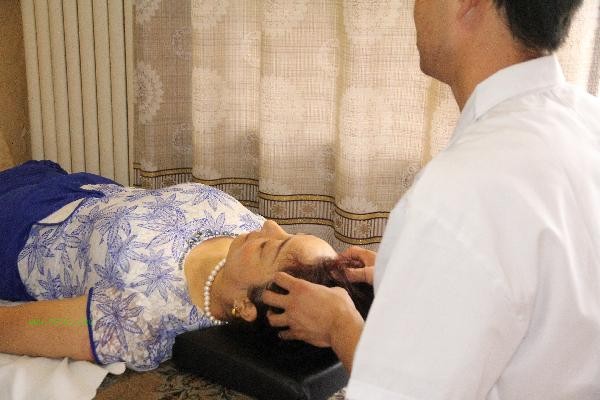
Tuina massage stimulates meridians and acupoints through manual techniques, helping to unblock qi and blood, and relieve depression. Common techniques include acupressure, rubbing the temples, massaging the bladder meridian on the back, and spinal massage. The liver depression type can focus on massaging the rib area, the heart and spleen deficiency type can massage the abdomen, and the kidney deficiency type can massage the waist. Massage therapy should be performed by professional massage therapists, preferably 2-3 times a week.
4. Emotional regulation
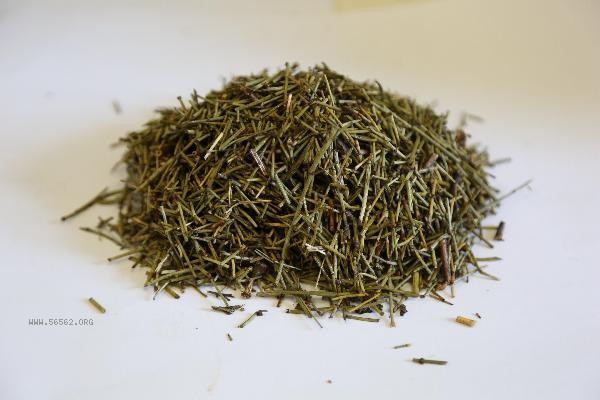
Emotional regulation is an important method of traditional Chinese medicine psychotherapy, including verbal guidance, empathy, and using emotions to overcome emotions. Regulate emotions by cultivating hobbies, participating in social activities, and learning relaxation techniques. Liver depression type is suitable for relieving emotions, heart and spleen deficiency type is suitable for cultivating positive emotions, and kidney deficiency type is suitable for avoiding excessive thinking. Emotional regulation requires long-term persistence, and combining it with other treatment methods yields better results.
5. Qigong Guidance
Qigong guidance improves the circulation of qi and blood and emotional states by integrating the three aspects of regulating the body, regulating breath, and regulating the heart. The exercises suitable for depressed patients include Eight Section Brocade, Five Animal Play, Six Character Formula, etc. Liver depression type can practice more exercises to soothe the liver and regulate qi, heart and spleen deficiency type can strengthen exercises to nourish the heart and calm the mind, and kidney deficiency type can practice more exercises to strengthen the waist and kidneys. Practice should be done gradually, persisting for about 30 minutes every day.
Traditional Chinese Medicine emphasizes overall regulation and individualized treatment for depression, which should be carried out under the guidance of professional physicians. In addition to the above treatment methods, patients should maintain a regular daily routine, ensure sufficient sleep, and engage in appropriate walking, Tai Chi exercises, and physical activity. The diet should be light and easy to digest, and foods such as lotus seeds, lilies, and yams that have the function of calming the mind and strengthening the spleen can be consumed in moderation. Avoid excessive fatigue and mental stimulation, and cultivate a positive and optimistic attitude towards life. If the symptoms persist or worsen, timely medical treatment should be sought, and modern medical treatment can be combined if necessary.





Comments (0)
Leave a Comment
No comments yet
Be the first to share your thoughts!