
Effective methods for rapidly lowering blood pressure include medication treatment, lifestyle adjustments, and emergency response measures. Hypertensive patients need to use antihypertensive drugs under the guidance of a doctor, while improving their diet, increasing exercise, controlling weight, and taking emergency measures such as deep breathing and relaxing if necessary.
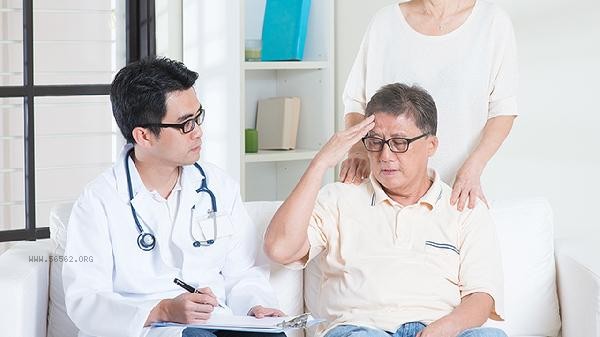
1. Medication therapy: Hypertensive patients can use antihypertensive drugs under the guidance of a doctor. Common medications include calcium channel blockers such as amlodipine, angiotensin-converting enzyme inhibitors such as enalapril, and diuretics such as hydrochlorothiazide. These drugs lower blood pressure through different mechanisms, and it is necessary to choose appropriate drugs based on individual circumstances and regularly monitor blood pressure.

2. Lifestyle adjustment: Improving diet is an important measure to lower blood pressure. Suggest reducing salt intake and keeping the daily salt intake below 5 grams; Increase potassium rich foods such as bananas, spinach, etc; Eat more whole grains, vegetables, and fruits that are rich in dietary fiber. Moderate exercise can help lower blood pressure, and it is recommended to engage in 150 minutes of moderate intensity aerobic exercise per week, such as brisk walking, swimming, or cycling. Controlling weight is also crucial, maintaining a BMI between 18.5-24.9.
3. Emergency measures: When blood pressure suddenly rises, some emergency measures can be taken. Deep breathing exercises help relax the body and lower blood pressure; Maintain a calm mood and avoid tension and anxiety; Lie down and rest, raise your legs, and promote blood circulation. If blood pressure continues to rise or symptoms such as headache and chest pain occur, seek medical attention immediately. hypertension is a chronic disease that requires long-term management and control. Through medication treatment, lifestyle adjustments, and emergency management measures, blood pressure can be effectively lowered and the risk of complications can be reduced. Regular monitoring of blood pressure and adherence to a healthy lifestyle are key to managing hypertension. If blood pressure control is poor or abnormal symptoms occur, seek medical attention promptly and adjust the treatment plan.









Comments (0)
Leave a Comment
No comments yet
Be the first to share your thoughts!