
A positive result of helicobacter pylori in the stomach during a physical examination usually indicates the presence of Helicobacter pylori infection in the stomach. This bacterial infection may cause diseases such as gastritis and gastric ulcers, but some infected individuals may also have no obvious symptoms. Helicobacter pylori is a bacterium that can survive in the stomach acid environment and mainly infects the human body through oral or fecal oral transmission. After infection, bacteria can damage the gastric mucosal barrier, causing stomach acid to directly erode the gastric wall tissue. Mild infections may only manifest as occasional upper abdominal pain, belching, or decreased appetite, which can be easily overlooked. Some patients may experience typical symptoms such as regular postprandial abdominal pain, acid reflux, and heartburn, which can be accompanied by black stool or vomiting blood in severe cases. Long term untreated infections may increase the risk of gastric mucosal atrophy, intestinal metaplasia, and even gastric cancer. Although a small number of infected individuals test positive, they do not develop the disease for life, which is related to factors such as differences in bacterial virulence and host immune status. Children have a higher spontaneous clearance rate after infection, while middle-aged and elderly infected individuals are more prone to persistent infections. Special populations, such as those who take nonsteroidal anti-inflammatory drugs for a long time, have a significantly increased risk of gastric mucosal damage due to co infection. Individuals with low immune function may develop rare but severe gastritis or gastric lymphoma.
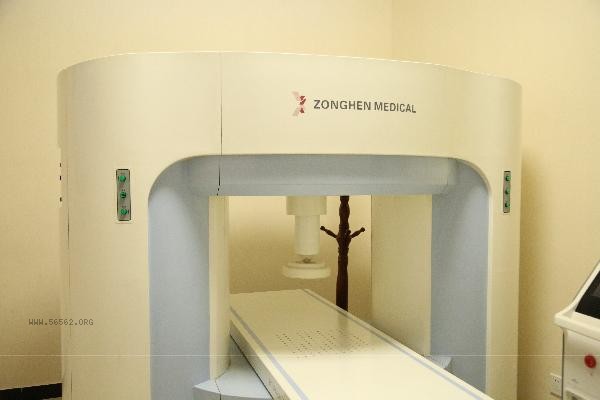
It is recommended that individuals who are positive for Helicobacter pylori seek timely medical attention in the gastroenterology department and confirm their infection status through carbon-13/14 breath test or gastroscopy biopsy. Serving of individual dishes should be implemented daily to avoid family transmission, avoid spicy food and reduce gastric mucosa irritation. During the treatment period, strictly follow the doctor's advice to complete the antibiotic course, and confirm the eradication effect after stopping the medication for one month.









Comments (0)
Leave a Comment
No comments yet
Be the first to share your thoughts!