
Traditional Chinese medicine can reduce fever by sweating, clearing heat and detoxifying, stimulating acupoints, applying traditional Chinese medicine externally, and regulating diet. Fever is often caused by external wind cold, wind heat attacking the surface, or internal injury accumulation, and needs to be treated according to syndrome differentiation.
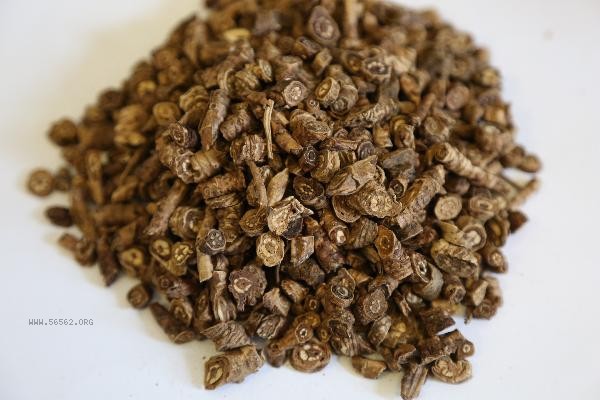
1. Sweating table
For wind cold fever, ginger brown sugar water or scallion white fermented soybean soup can be used for sweating table. Boil 3 slices of ginger with brown sugar, or decoct 5 pieces of scallion white with 10 grams of light fermented black beans. After drinking, cover with a layer and take a little sweat. This method is suitable for wind cold surface syndrome with chills, no sweating, headache and body pain. After sweating, body temperature can gradually decrease, but attention should be paid to avoiding wind and keeping warm.
2. Clearing heat and detoxifying
For wind heat type fever, it is recommended to use honeysuckle dew or mulberry chrysanthemum drink to clear heat and detoxify. 10 grams of honeysuckle and 6 grams of Forsythia suspensa are boiled in water to replace tea, or 5 grams of mulberry leaves, 3 grams of chrysanthemums, and 2 grams of mint are brewed in boiling water. This type of prescription can alleviate symptoms such as sore throat, thirst, and preference for cold drinks, and has a better effect on the initial fever of viral colds.
3. Acupoint stimulation
Pressing the Dazhui acupoint or ear tip to bleed can assist in reducing fever. The Dazhui acupoint is located in the depression below the spinous process of the seventh cervical vertebra. Press it continuously with your thumb for 3 minutes; After disinfection of the ear tip, 2 drops of needle puncture bleeding occurred. This method regulates the temperature center by stimulating the meridians, and is suitable for individuals with sudden high fever but no tendency to bleed.
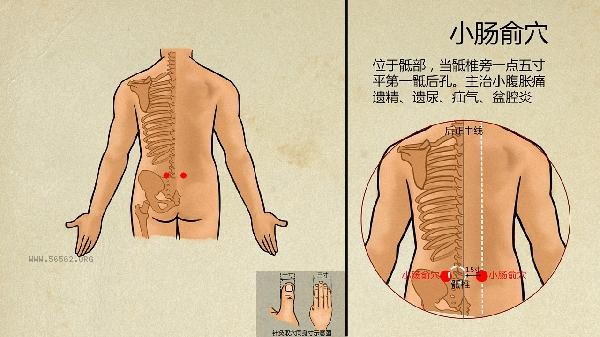
4. External application of traditional Chinese medicine
Gypsum powder adjustment or peppermint oil bath can physically cool down. Mix 50g of gypsum powder with egg white and apply it to the forehead, or add 5 drops of peppermint oil to warm water to wipe the armpits and popliteal fossa. External treatment can quickly reduce body surface temperature and is suitable for infants, young children, and those who have difficulty taking medication. However, it is contraindicated for areas with skin damage.
5. Dietary adjustment
During the fever period, it is advisable to eat light liquid foods such as lotus root powder and mung bean soup. Boil fresh lotus root juice into a paste, or boil 50 grams of mung beans until they are tender and add rock sugar. Take small amounts multiple times. This type of food not only replenishes water and electrolytes, but also contains natural antipyretic ingredients that help maintain metabolic balance in the body. Traditional Chinese Medicine (TCM) fever reduction requires selecting appropriate methods based on the syndrome type. If there is persistent high fever or changes in consciousness, immediate medical attention should be sought. Avoid vigorous exercise within 24 hours after fever subsides, maintain a well ventilated environment but avoid direct blowing of cold air. Drink rice oil and reed root water in moderation to supplement body fluids, and avoid oily and spicy foods. If there is recurrent fever for more than 3 days or symptoms such as convulsions and rash, timely blood routine and other tests should be performed to rule out organic diseases.





Comments (0)
Leave a Comment
No comments yet
Be the first to share your thoughts!