
In daily life, we often see large and small "veins" on the back of our hands, calves, and neck, which are actually veins. The abnormal protrusion of "blue veins" is a manifestation of sub-health status in the human body, and may even indicate the occurrence of serious diseases, which cannot be ignored. The bulging of veins in different parts of the body may also indicate different health problems. For example, bulging veins may cause symptoms such as itching, varicose veins, and discomfort in the lower leg, as well as problems such as skin redness and seborrheic inflammation. In addition, it may also affect the stability of blood pressure, increase exudation, and even lead to infection. What diseases do the "blue veins" in different parts of the body indicate? Today, let's learn together!
Why do "green veins" protrude?
In clinical practice, "green veins" refer to veins, which have paired crescent shaped venous valves that open along the blood flow and close against it. When venous blood reflux is obstructed and pressure increases, "green veins" that protrude, varicose, twist, and change color will appear on the surface of the human body.
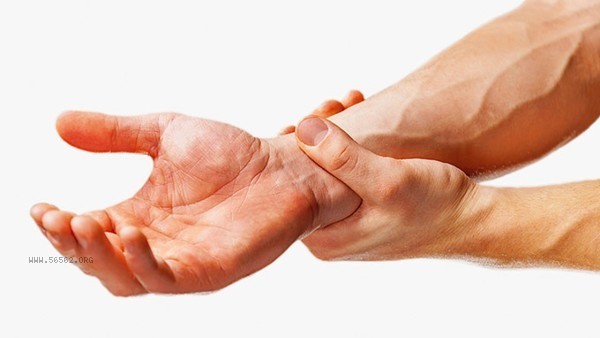
Generally, people with thin body shape, fair skin, frequent exercise and fitness, heavy physical laborers, and the elderly will have more obvious "blue veins". If the direction of the "blue veins" is regular and there is no obvious expansion or tortuosity, there is no need to worry. But if there is an abnormal "blue veins" with expansion, tortuosity, and dark purple color, it is necessary to be alert to the occurrence of the disease.
These three areas with protruding "veins" may be disease signals
1. Lower limb "veins" protrusion
Lower limb "veins" protrusion, be careful of varicose veins. Lower limb varicose veins are a common disease in vascular surgery, commonly found in middle-aged and elderly populations. They are characterized by superficial varicose veins, protruding skin, and appearing as clusters or nodules. If there is rupture, bleeding, infection, or thrombosis, it may lead to "old rotten feet" and pulmonary embolism.
2. If there are "blue veins" in the temple, be alert to cerebral arteriosclerosis. Cerebral arteriosclerosis is caused by hypertension, hyperlipidemia, and other factors, leading to degeneration of the cerebral blood vessel wall and embolism of the circulating arteries, causing blockage and spasm of blood vessels, insufficient blood supply to capillaries, and causing bulging of the "green veins" in the temples, accompanied by symptoms such as dizziness and headache.
3. Abdominal "veins"
Abdominal "veins" are a sign of liver cirrhosis. The subcutaneous veins on the abdominal wall of a normal person are relatively deep, covered by a lot of adipose tissue, and there are rarely "veins" protruding. However, in cases of liver cirrhosis, ascites, and intra-abdominal tumor compression of organs, the portal vein and inferior vena cava can become congested, obstructing venous blood flow and causing the superficial veins of the abdominal wall to dilate, resulting in thick and twisted "veins".
In addition, to prevent abnormal "green veins" and maintain vascular health, people can start from supplementing vitamin C and vitamin E, supplementing deep-sea fish oil, and maintaining good exercise habits for regulation.



Comments (0)
Leave a Comment
No comments yet
Be the first to share your thoughts!