
The best ways to quickly lower blood pressure include deep breathing, moderate exercise, and adjusting diet. In emergency situations, seek medical attention immediately. Long term blood pressure control requires comprehensive lifestyle adjustments and necessary medication treatment.
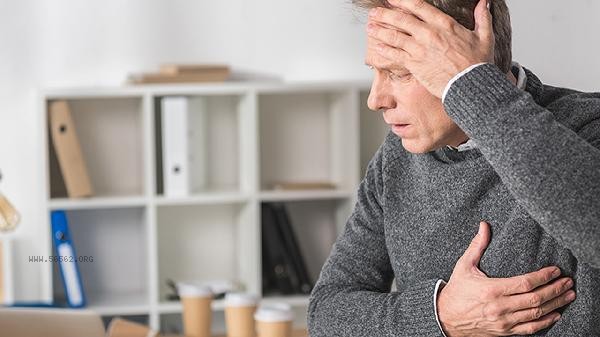
1. Deep breathing: Deep breathing is a simple and effective method of lowering blood pressure. Through slow and deep breathing, the parasympathetic nervous system can be activated to help the body relax and lower blood pressure. The specific method is to find a quiet place, sit or lie down, close your eyes, take a deep breath through your nose, hold for a few seconds, and then slowly exhale through your mouth, repeating for 5-10 minutes. This method is particularly effective in times of tension or anxiety, as it can quickly alleviate elevated blood pressure.
2. Moderate exercise: Moderate aerobic exercise can significantly lower blood pressure. Exercise can enhance heart function, improve blood circulation, and help the body regulate blood pressure more effectively. It is recommended to engage in 30 minutes of moderate intensity exercise every day, such as brisk walking, jogging, swimming, or cycling. When exercising, pay attention to gradual progress and avoid sudden increases in blood pressure caused by intense exercise. For patients with hypertension, it is best to consult and choose the appropriate exercise method and intensity before exercise.

3. Adjusting diet: The impact of diet on blood pressure is crucial. Reducing salt intake is key to controlling blood pressure, and it is recommended to consume no more than 5 grams of salt per day. Increasing potassium rich foods such as bananas, spinach, potatoes, etc. can help balance the sodium potassium ratio in the body and lower blood pressure. At the same time, reduce the intake of high-fat and high sugar foods, eat more fiber rich vegetables and fruits, and maintain a balanced diet. Moderate consumption of green tea or black coffee can also help lower blood pressure in the short term.
4. Medication therapy: When lifestyle adjustments cannot effectively control blood pressure, medication therapy is necessary. Common antihypertensive drugs include diuretics, beta blockers, calcium channel blockers, etc. Diuretics reduce body water and lower blood pressure by increasing urine output; Beta blockers lower blood pressure by slowing down heart rate and reducing cardiac output; Calcium channel blockers relax vascular smooth muscle, dilate blood vessels, and lower blood pressure. The specific drug selection should be determined based on the doctor's advice and individual circumstances.
5. Emergency medical treatment: If blood pressure suddenly rises and is accompanied by symptoms such as headache, chest pain, and difficulty breathing, seek medical attention immediately. Doctors may rapidly lower blood pressure through intravenous injection of medication to prevent hypertensive crises from causing serious damage to organs. Before seeking medical treatment, patients should remain calm, avoid strenuous activities, try to lie down and rest as much as possible, and wait for medical assistance. There are various methods for rapidly lowering blood pressure, and the key is to choose the appropriate method based on the specific situation. Long term blood pressure control requires comprehensive lifestyle adjustments and necessary medication treatment, regular monitoring of blood pressure, and timely adjustment of treatment plans in order to effectively prevent the health risks caused by hypertension.









Comments (0)
Leave a Comment
No comments yet
Be the first to share your thoughts!