
The optimal time for women's health check ups should be scientifically arranged based on age, physiological cycle, and health needs. It is recommended to conduct a comprehensive physical examination regularly every year and add specialized examinations at specific stages. The core idea is that women over the age of 20 should have a basic physical examination once a year, special screening should be added for women over the age of 40, and targeted examinations should be conducted during special stages such as pregnancy and menopause.
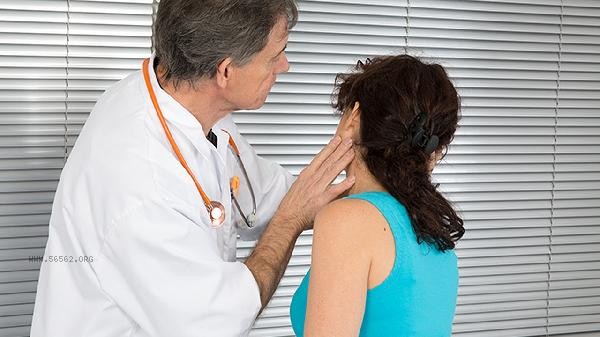
1. Age determines the frequency of physical examinations. Women aged 20-30 should undergo a basic physical examination once a year, with a focus on gynecological, breast, and thyroid health. Women aged 30-40 need to undergo cervical cancer screening and breast ultrasound examination. For women over 40 years old, special screening for breast cancer, cervical cancer and osteoporosis is recommended every year.
2. The physiological cycle affects the examination time. The best time for gynecological examination is 3-7 days after the end of menstruation, when the endometrium is thinner and the examination results are more accurate. Breast examination is recommended to be performed 7-10 days after the end of menstruation to avoid hormonal fluctuations affecting the results. Pre pregnancy examinations should be conducted 3-6 months before the planned pregnancy, including TORCH screening, thyroid function tests, etc.
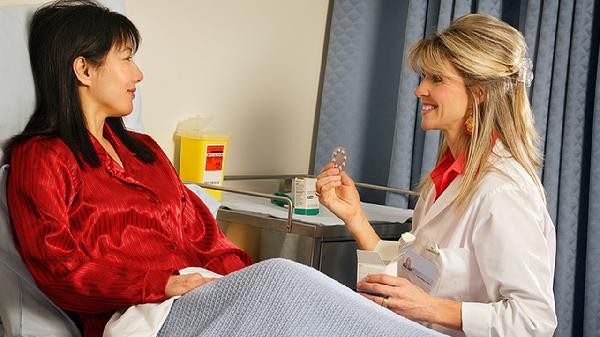
3. Targeted inspections are required during special stages. During pregnancy, regular prenatal check ups should be conducted, including Down syndrome screening, glucose tolerance testing, etc. Menopausal women need to pay attention to bone density and cardiovascular health, and it is recommended to undergo hormone level testing. Individuals with a family history should add relevant examination items according to their specific circumstances.
4. The selection of physical examination items should be scientific. Basic physical examination includes blood routine, urine routine, liver and kidney function, etc. Special examinations such as mammography, cervical TCT, HPV testing, etc. should be selected based on age and risk factors. Imaging examinations such as B-ultrasound, CT, etc. should be performed according to medical advice.
5. Precautions before physical examination. Maintain a light diet and avoid vigorous exercise for 3 days before the physical examination. On the day of the physical examination, fasting and wearing loose and comfortable clothes. Carry past examination reports for easy comparison and analysis by doctors.
Women's health check ups require long-term adherence, and corresponding examination strategies should be adopted for different age groups and physiological stages. Through regular physical examinations, potential health problems can be detected in a timely manner, preventive measures can be taken, and physical health can be maintained. It is recommended that female friends develop personalized physical examination plans based on their own situation and maintain good communication with doctors to jointly protect their health.








Comments (0)
Leave a Comment
No comments yet
Be the first to share your thoughts!