
The main methods of removing dampness in traditional Chinese medicine include adjusting diet, regulating traditional Chinese medicine, moxibustion therapy, cupping therapy, and sweating through exercise. Heavy dampness may be related to factors such as weak spleen and stomach, damp environment, and improper diet, usually manifested as symptoms such as body fatigue, thick and greasy tongue coating, and sticky stool.
1. Adjust diet
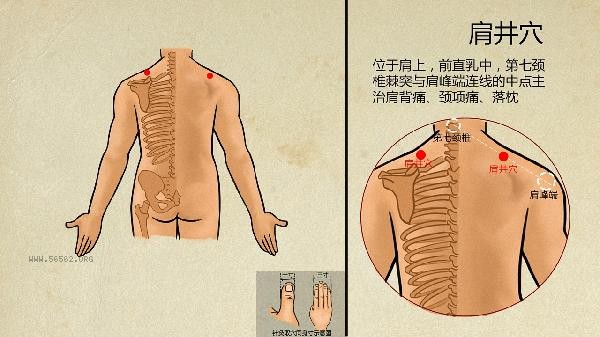
Avoid raw, cold, and greasy foods in your diet, and consume ingredients such as Job's tears, adzuki beans, and yam in moderation to strengthen the spleen and eliminate dampness. Coix seed can promote water infiltration, adzuki beans can invigorate the spleen and promote water retention, and yam can help nourish the spleen and stomach. Daily cooking of job's tears, red bean Congee or yam ribs soup can help to improve the symptoms of heavy moisture. Avoid excessive consumption of sweet and spicy foods to avoid exacerbating the burden on the spleen and stomach.
II. Chinese medicine conditioning
traditional Chinese patent medicines and simple preparations such as Shenling Baizhu Powder, Huoxiang Zhengqi Water, Pingwei Powder can be used under the guidance of doctors. Shen Ling Bai Zhu San has the effects of strengthening the spleen and nourishing qi, as well as regulating gastric dampness. It is suitable for loss of appetite caused by spleen deficiency and excessive dampness. Huoxiang Zhengqi water can dissolve surface dampness and is effective for treating summer dampness and colds. Pingwei San can dry dampness, invigorate the spleen, and improve abdominal distension and fullness. The use of traditional Chinese medicine requires differentiation and treatment, and self medication is not allowed.
III. Moxibustion Therapy
Moxibustion at acupoints such as Zusanli, Zhongwan, and Yinlingquan can help warm yang and dispel dampness. Zusanli is a key acupoint for strengthening the spleen, the middle epigastric region can harmonize with the stomach to remove dampness, and the Yin Ling Spring can promote water circulation and dampness. Moxibustion 2-3 times a week, lasting 15-20 minutes each time, can promote the circulation of qi and blood and help eliminate dampness from the body. Be careful to avoid burns during moxibustion, and use with caution for pregnant women and those with weak constitutions.
Fourthly, cupping therapy
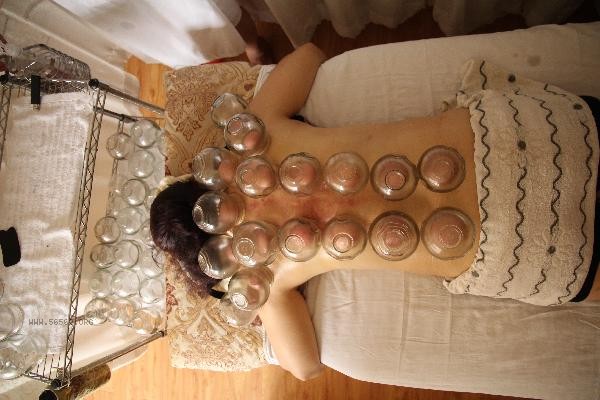
Cupping at acupoints such as the bladder meridian, spleen shu, and stomach shu on the back can eliminate dampness. Cupping can promote local blood circulation and help eliminate dampness from the body. Leave cans for 5-10 minutes each time, 1-2 times a week is recommended. People with skin damage, bleeding tendency, and weak constitution should not be cupped. After cupping, pay attention to keeping warm and avoid catching a cold.
5. Exercise Sweating
Moderate exercise such as Ba Duan Jin, Tai Chi, and jogging can help dispel dampness through sweating. The regulation of the spleen and stomach in the Eight Section Brocade requires a single movement to invigorate the spleen and dispel dampness, while Tai Chi can harmonize qi and blood. Exercise 3-5 times a week for about 30 minutes each time, preferably with slight sweating. Wipe off sweat promptly after exercise to prevent dampness from invading again.
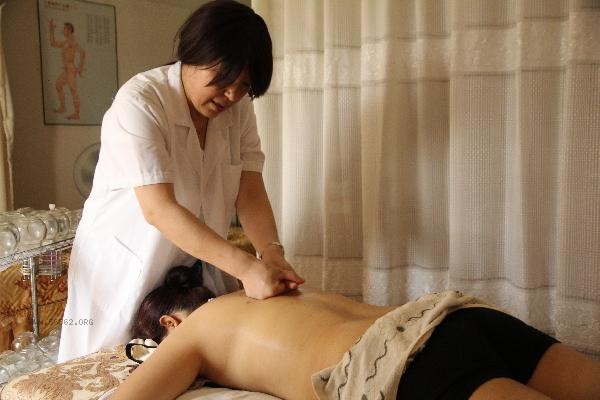
In daily life, attention should be paid to maintaining a dry and ventilated living environment, and avoiding prolonged exposure to humid conditions. Wear breathable and moisture absorbing cotton clothing, and replace it promptly after sweating. Regular sleep patterns, avoiding staying up late, and ensuring sufficient sleep can help restore spleen and stomach function. Individuals with severe dampness should adhere to long-term conditioning and seek personalized treatment from traditional Chinese medicine practitioners if necessary. If severe discomfort or worsening symptoms occur, it is recommended to seek medical attention promptly.




Comments (0)
Leave a Comment
No comments yet
Be the first to share your thoughts!