
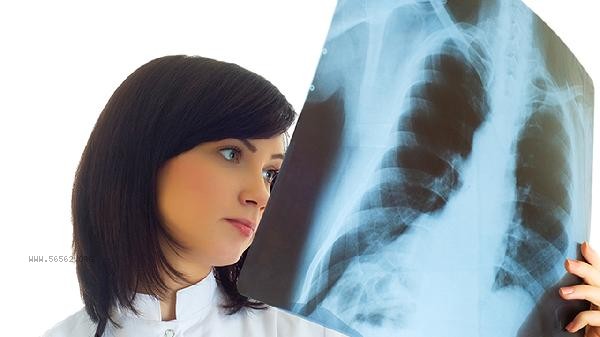
The advantages of traditional Chinese medicine in treating emphysema mainly lie in overall regulation, minimal side effects, and long-lasting symptom relief. Emphysema belongs to the category of chronic obstructive pulmonary disease, and traditional Chinese medicine can improve lung function and reduce acute attacks through syndrome differentiation and treatment.
1. Overall regulation
Traditional Chinese medicine classifies emphysema as lung distension, which is believed to be related to the deficiency of the lungs, spleen, and kidneys. Adopting methods such as tonifying qi and stabilizing the surface, strengthening the spleen and resolving phlegm, warming the kidneys and absorbing qi, commonly used formulas such as Bu Fei Tang and Yu Ping Feng San contain medicinal herbs such as Huangqi and Bai Zhu, which can enhance the body's immunity. Compared to simple treatment with bronchodilators, traditional Chinese medicine focuses more on improving the overall physical condition of patients.
2. Small side effects
Traditional Chinese medicine treatment often uses a combination of natural medicinal herbs, such as purple perilla and almond, to reduce phlegm and asthma, and rarely causes common adverse reactions such as palpitations and muscle tremors in Western medicine. For elderly patients or those with concomitant cardiovascular diseases, traditional Chinese medicine treatment has better tolerance. It should be noted that some medicinal herbs containing ephedra may increase blood pressure, and should be used under the guidance of a physician.
3. Long lasting symptom relief
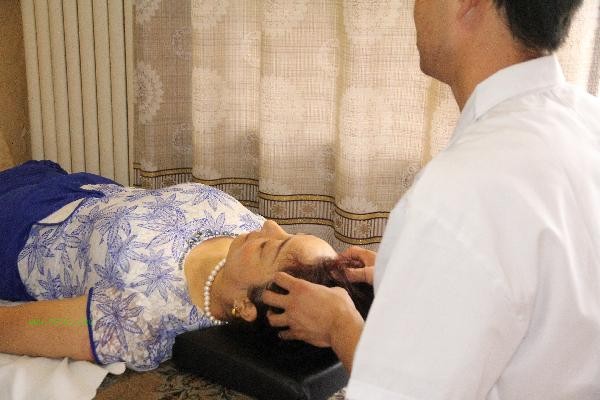
External treatments such as acupoint application and moxibustion can stimulate the Dingchuan and Feishu acupoints, and combined with oral administration of traditional Chinese medicine can prolong the anti asthma effect. Research shows that traditional Chinese medicine comprehensive therapy can reduce the frequency of acute exacerbations in patients each year and improve exercise tolerance. The Sanfu Tie therapy for treating winter diseases in summer has unique advantages in preventing winter attacks.
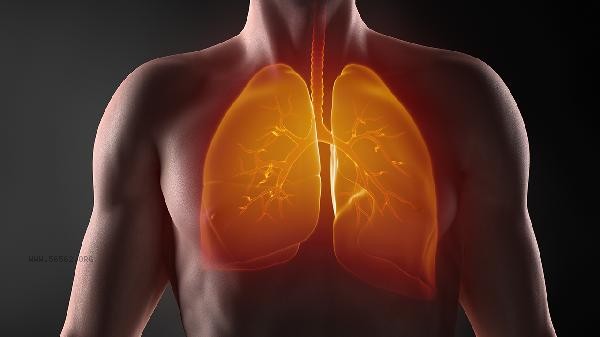
4. Individualized plan [SEP]: Flexibly adjust the prescription according to different syndrome types such as phlegm dampness obstructing the lungs and lung kidney deficiency. For those with excessive phlegm, San Zi Yang Qin Tang can be modified. For those with obvious qi deficiency, Bu Zhong Yi Qi Tang can be used. Combined with breathing training such as Tai Chi and Baduanjin, targeted improvement of diaphragm function can be achieved, which is difficult to achieve in modern medicine.
5. Synergistic effect [SEP]: Combining traditional Chinese medicine with Western medicine in basic treatment can reduce hormone dependence. If Shegan Mahuang Tang is used in combination with bronchodilators, it can quickly relieve asthma and reduce the dosage of Western medicine. Traditional Chinese medicine nebulized inhalation, such as Houttuynia cordata injection, can directly act on the airway mucosa and enhance anti-inflammatory effects.
Patients with emphysema need to avoid oil smoke stimulation, adhere to abdominal breathing training, and can drink siraitia grosvenorii tea to moisten the lungs. Pay attention to keeping the neck warm in winter, and have a light and high-quality protein rich diet. It is recommended to check lung function every quarter and seek medical attention promptly in case of acute attacks. The combination of traditional Chinese and Western medicine treatment should be carried out under the guidance of a respiratory physician, and western medicine should not be discontinued on one's own.





Comments (0)
Leave a Comment
No comments yet
Be the first to share your thoughts!