
The advantages of traditional Chinese medicine in treating asthma mainly lie in overall regulation, reducing drug dependence, improving physical fitness, relieving symptoms, and reducing the probability of recurrence. Traditional Chinese medicine (TCM) can provide personalized treatment for different types of asthma through syndrome differentiation, combined with traditional Chinese medicine, acupuncture and moxibustion, massage and other methods.
1. Overall regulation
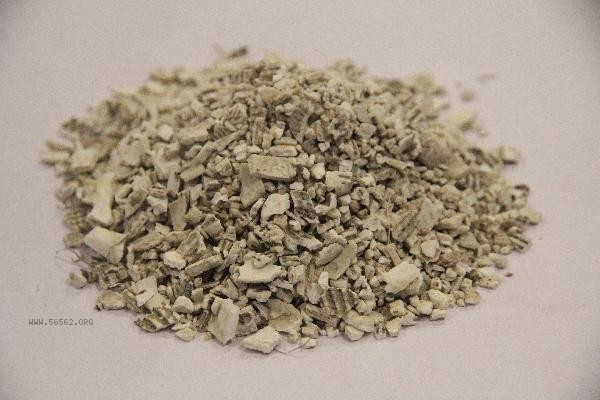
Traditional Chinese medicine believes that asthma is related to dysfunction of the lungs, spleen, and kidneys. Treatment should focus on regulating organ function and improving qi and blood circulation. By using traditional Chinese medicine formulas such as Xiaoqinglong Tang and Dingchuan Tang, it is possible to warm the lungs, promote diuresis, and relieve asthma, while also taking into account the spleen and stomach circulation and kidney qi consolidation, achieving the effect of treating both symptoms and root causes. This holistic conditioning approach helps to restore body balance and reduce dependence on hormone drugs.
2. Reduce drug dependence
Chinese medicine often uses ephedra, almond, licorice and other traditional Chinese medicines that have the effect of promoting lung and relieving asthma, together with acupuncture and moxibustion and moxibustion to stimulate Dingchuan point, Feishu point, etc., to effectively alleviate bronchospasm. Compared to long-term use of bronchodilators or glucocorticoids, traditional Chinese medicine therapy can gradually reduce the dosage of Western medicine and lower the risk of drug side effects, especially suitable for children and patients with mild to moderate asthma.
3. Improving physical constitution
Traditional Chinese medicine uses formulas such as Yupingfeng San and Liujunzi Tang to adjust physical constitution by identifying different types of constitution such as qi deficiency, yang deficiency, and phlegm dampness. For patients with recurrent asthma, traditional Chinese medicine emphasizes the treatment of winter diseases and summer diseases, using methods such as Sanfu plaster and moxibustion to enhance yang qi, strengthen immunity, reduce triggering factors such as colds, and fundamentally improve asthma susceptibility.
4. Relieve Symptoms
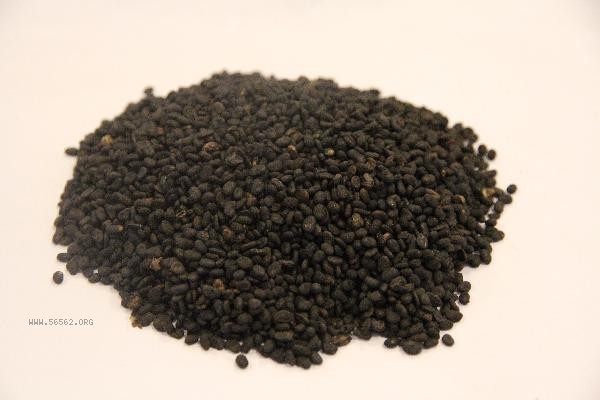
During acute asthma attacks, traditional Chinese medicine can use external treatments such as acupoint application (such as white mustard seed moxibustion) and ear acupuncture to quickly relieve wheezing and chest tightness symptoms. Traditional Chinese medicine nebulization inhalation, such as compound Danshen injection, can directly act on the respiratory tract and relax bronchial smooth muscle. These methods take effect quickly and have minimal side effects, making them suitable as adjunctive treatments during the acute phase.
5. Reduce recurrence
Traditional Chinese medicine emphasizes the concept of preventing illness before it occurs. Through long-term regulation of lung, spleen, and kidney function, combined with dietary taboos (such as avoiding raw and cold foods, seafood, and other substances) and guided health exercises (such as Ba Duan Jin), the frequency of asthma recurrence can be significantly reduced. Clinical observations have shown that standardized traditional Chinese medicine treatment can reduce seasonal seizures or provide sustained symptom relief for some patients. During traditional Chinese medicine treatment, asthma patients should avoid contact with allergens such as pollen and dust mites, and pay attention to keeping warm and cold. The diet should be light, with moderate consumption of lung moistening ingredients such as lilies and Tremella fuciformis, and avoiding spicy and stimulating foods. It is recommended to develop personalized plans under the guidance of professional traditional Chinese medicine practitioners, regularly follow up to adjust medication, and not stop taking medication on your own. During acute and severe attacks, it is still necessary to use Western medicine in a timely manner to control symptoms, and a combination of traditional Chinese and Western medicine treatment can often achieve better results.





Comments (0)
Leave a Comment
No comments yet
Be the first to share your thoughts!