
Physical examination and oral examination usually need to avoid the period of oral ulcers. Oral ulcers may affect the accuracy of examination results and increase patient discomfort.

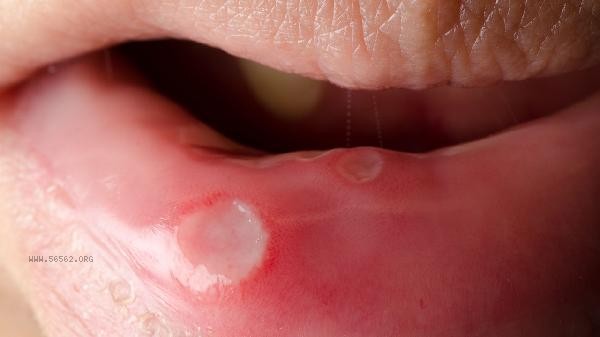
Oral examination usually includes observation and evaluation of teeth, gums, tongue, oral mucosa, and other areas. During the onset of oral ulcers, the ulcer surface may become red, swollen, painful, and even accompanied by bleeding. These symptoms may interfere with doctors' assessment of oral health status. For example, gum bleeding may be mistaken for a manifestation of periodontal disease, when in fact it is caused by ulcers. In addition, the presence of oral ulcers may mask other potential oral problems, such as early tooth decay or mucosal lesions. In rare cases, if the area of oral ulcers is small and the symptoms are mild, doctors may still be able to perform basic oral examinations. But for large or multiple ulcers, especially those accompanied by obvious pain or inflammation, it is recommended to postpone the examination. Some special examination items, such as oral mucosal biopsy or periodontal probing, should be avoided during the ulcer period to avoid aggravating damage or causing infection.
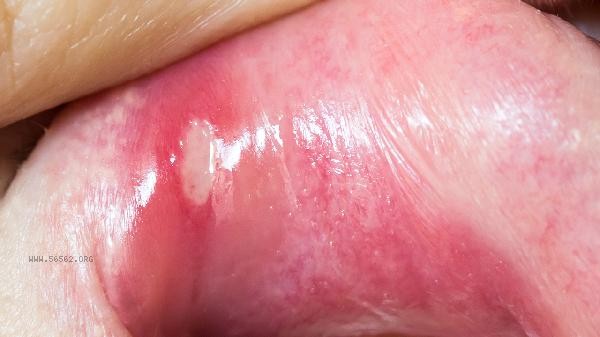
It is recommended to conduct an oral examination after the oral ulcer has completely healed to obtain more accurate results. Daily attention should be paid to maintaining oral hygiene, avoiding spicy and irritating foods, and supplementing with vitamin B and vitamin C appropriately, which can help prevent the recurrence of oral ulcers. If oral ulcers frequently occur or do not heal for a long time, timely medical attention should be sought to rule out the possibility of other diseases.








Comments (0)
Leave a Comment
No comments yet
Be the first to share your thoughts!