
Whether to choose traditional Chinese medicine treatment for thyroid nodules depends on the nature of the nodules. For benign nodules, traditional Chinese medicine treatment can be attempted, while for malignant nodules, Western medicine treatment should be given priority. Thyroid nodules may be related to abnormal iodine intake, genetic factors, inflammatory stimuli, radiation exposure, endocrine disorders, and other factors.
1. Advantages of Traditional Chinese Medicine Treatment
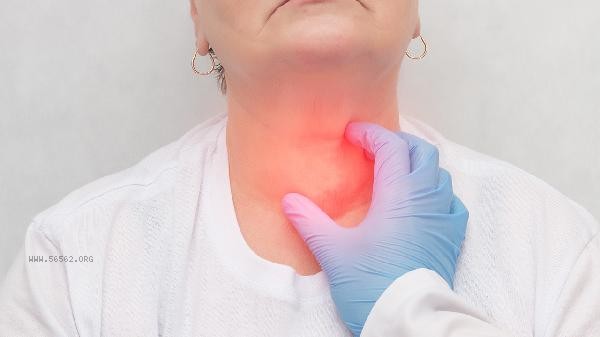
Traditional Chinese medicine has an overall regulatory effect on benign small nodules, improving physical fitness through methods such as soothing the liver and regulating qi, resolving phlegm and dispersing nodules. Commonly used formulas such as Seaweed Yuhu Tang can reduce nodules, while Summer Grass Cream can alleviate neck swelling and pain. Acupuncture and moxibustion selects Tiantu, Renying and other acupoints to promote local circulation, and moxibustion on Tanzhong helps regulate immune function. The combination of external application of traditional Chinese medicine and iontophoresis has a significant effect on nodules below 3 centimeters.
2. Advantages of Western Medicine Treatment
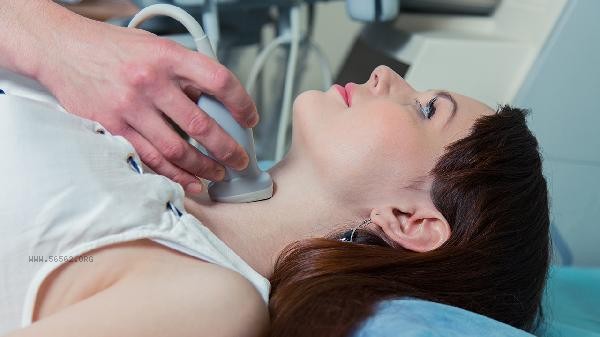
Western medicine clarifies the pathological nature through ultrasound-guided fine needle puncture, and surgical resection combined with radioactive iodine treatment is required for malignant nodules. Total thyroidectomy is suitable for multiple malignant nodules, while microwave ablation can be used for benign nodules below 4 centimeters. Levothyronine sodium tablets can inhibit the secretion of thyroid stimulating hormone and prevent nodule enlargement. Regular follow-up of thyroid function and neck ultrasound are the core of Western medicine follow-up.
3. Combination therapy value
Postoperative use of Huangqi Jianzhong decoction can reduce symptoms of hypothyroidism, and Leigongteng polysaccharide tablets can assist in controlling the growth of nodules related to Hashimoto's thyroiditis. The combination of traditional Chinese medicine and levothyroxine treatment can reduce the volume of 30% of cystic and solid nodules. However, it should be noted that there are contraindications to the combination of iodine containing traditional Chinese medicine and radioactive iodine therapy. During the use of thyroid hormones, medicinal materials such as Zhejiang Fritillaria that affect drug metabolism should be used with caution.
4. Special population selection
When nodules grow rapidly in pregnant women, Western medicine monitoring should be the first choice, and traditional Chinese medicine containing toxic ingredients such as Huangyaozi should be prohibited during lactation. It is recommended for pediatric patients to consider traditional Chinese medicine treatment after the age of 18, as thyroid nodules during adolescence are often associated with hormonal fluctuations. When elderly patients with cardiovascular disease are complicated, they should use caution with aconite based warming and dispersing drugs, and can switch to mild cat claw grass preparations.
5. Treatment risk assessment
Traditional Chinese medicine treatment should be re evaluated if there is no reduction after 3 months, and nodules with calcification or TI-RADS class 4 or above should be transferred to Western medicine. Long term use of traditional Chinese medicine containing kelp may interfere with thyroid function testing, and individuals allergic to seaweed may experience rash and itching. Western medicine surgery may cause damage to the recurrent laryngeal nerve, and there is a temporary risk of hyperthyroidism after radioactive iodine treatment. Patients with thyroid nodules should maintain a balanced diet, control their daily iodine intake at around 150 micrograms, and avoid excessive consumption of seaweed and seaweed. Regular sleep patterns can help maintain stable thyroid hormones, and it is recommended to have a follow-up thyroid ultrasound every six months. Avoid prolonged compression on the neck, and seek medical attention immediately if there is sudden enlargement or hoarseness. Moderate exercise can improve immune function, but hyperthyroidism patients should avoid vigorous exercise.




Comments (0)
Leave a Comment
No comments yet
Be the first to share your thoughts!