
Patients with severe fatty liver usually need to undergo liver fibrosis examination. Severe fatty liver may develop into liver fibrosis or even cirrhosis. Liver fibrosis examination can evaluate the degree of liver damage and provide a basis for subsequent treatment.
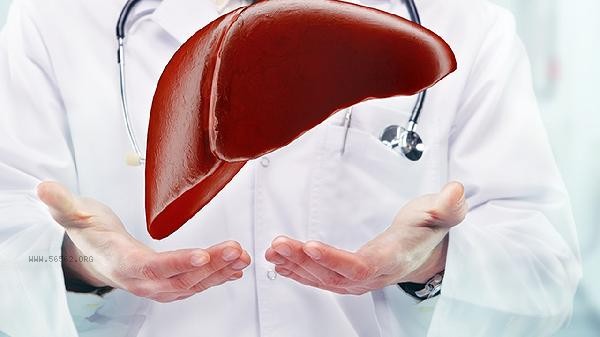
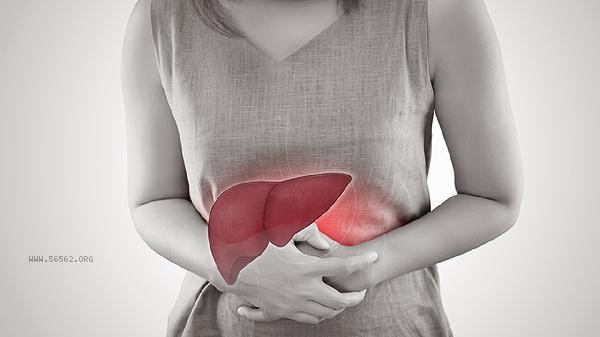
Severe fatty liver patients with excessive fat accumulation in the liver may trigger liver inflammation. Long term inflammatory stimulation can lead to liver cell damage and repeated repair processes, gradually forming liver fibrosis. Liver fibrosis is a repair response of the liver to chronic injury, characterized by excessive deposition of extracellular matrix. If not intervened in a timely manner, liver fibrosis may progress to cirrhosis, seriously affecting liver function. Liver fibrosis examination includes non-invasive and invasive examinations. Non invasive examinations such as liver elastography and serological marker testing, while invasive examinations mainly include liver biopsy. Doctors will choose appropriate examination methods based on the specific condition of the patient. Some patients with severe fatty liver may not require immediate liver fibrosis examination temporarily. If the patient's liver function indicators are basically normal, there are no obvious clinical symptoms, and no significant changes in liver structure are found through imaging examination, the doctor may recommend lifestyle intervention and regular follow-up first. However, for patients with metabolic syndrome such as diabetes and hypertension, or patients with persistent abnormal liver function, the necessity of liver fibrosis examination will increase significantly. These patients have a higher risk of developing liver fibrosis, and early examination can help detect lesions in a timely manner. In addition to necessary medical examinations, patients with severe fatty liver also need to adjust their lifestyle. Control the total calorie intake of the diet, reduce high-fat and high sugar foods, and increase the intake of vegetables, fruits, and whole grains. Maintain regular exercise and engage in moderate intensity aerobic exercise every week. Avoid drinking alcohol and keep your weight within the normal range. Regularly check liver function, blood glucose, blood lipids and other indicators, and follow medical advice for treatment. Through comprehensive management, disease progression can be effectively delayed and liver health can be improved.








Comments (0)
Leave a Comment
No comments yet
Be the first to share your thoughts!