
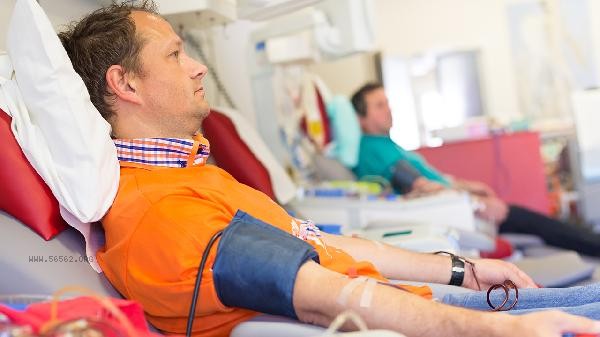
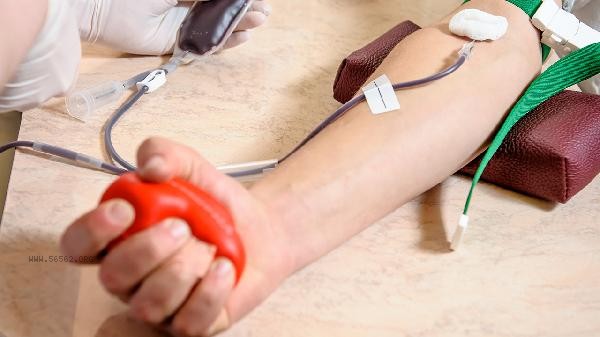
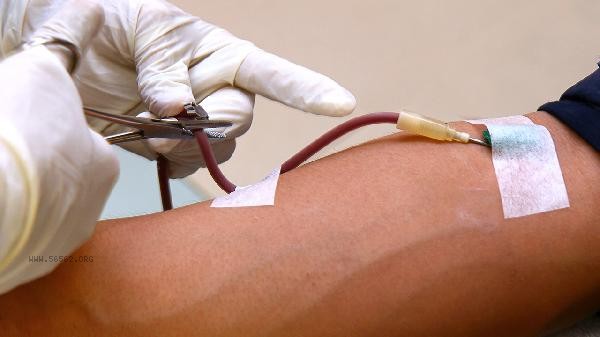
Patients with hyperlipidemia usually do not need to stop taking medication before physical examination, but medication needs to be adjusted according to specific examination items. Whether to stop taking medication before a physical examination is mainly related to the need for blood lipid testing, the type of medication, and doctor's guidance. If the physical examination includes a blood lipid test, some lipid-lowering drugs may affect the accuracy of the test results. Statins need to be taken continuously to maintain blood lipid stability, and sudden discontinuation of medication may lead to lipid rebound. Betrate drugs may interfere with triglyceride testing, and doctors may recommend pausing for 1-2 days before the examination. Bile acid chelators may affect the detection of fat soluble vitamins, and it is necessary to communicate with a doctor in advance to adjust the medication plan. During a few special examinations such as liver and kidney function assessment, doctors may recommend short-term discontinuation of lipid-lowering drugs that have a significant metabolic burden on the liver and kidneys. The combination use of certain drugs may increase the risk of adverse reactions, and it is necessary to inform the doctor of the medication history in advance. For projects that require fasting blood collection, medication timing should be adjusted according to medical advice to avoid affecting test results. Patients with hyperlipidemia should maintain a regular daily routine and a light diet before physical examination to avoid high-fat and high sugar foods affecting the test results. Avoid vigorous exercise and alcohol consumption for 3 days before the physical examination, and maintain a normal amount of water intake. Bring a daily medication list for doctors' reference, detailing the dosage and frequency of medication. Timely resume regular medication after physical examination, and do not adjust the medication plan without authorization. It is recommended to undergo 1-2 comprehensive physical examinations annually to dynamically monitor changes in blood lipids and drug efficacy.








Comments (0)
Leave a Comment
No comments yet
Be the first to share your thoughts!