
Patients with gallbladder polyps generally do not need to deliberately avoid eating egg yolks, but their intake should be controlled. Gallbladder polyps may be related to factors such as abnormal cholesterol metabolism and chronic inflammation. Although egg yolks contain cholesterol, moderate consumption usually does not directly stimulate polyp growth.

1. Cholesterol Influence
Egg yolks contain high levels of cholesterol, but human cholesterol mainly comes from self synthesis. The daily intake of 1-2 eggs by healthy individuals does not significantly affect blood cholesterol levels. If patients with gallbladder polyps have normal blood lipids, occasional consumption of egg yolks will not worsen the condition, but those with concomitant hyperlipidemia should limit their intake.
2. Balanced nutrition
Egg yolks are rich in nutrients such as lecithin, vitamin A, and vitamin D. Moderate consumption can help maintain normal physiological functions. Patients with gallbladder polyps can choose low oil cooking methods such as boiled eggs or steamed eggs, and avoid deep frying or eating with animal organs.
3. Digestive burden
High fat diet may stimulate gallbladder contraction and induce discomfort. If patients with gallbladder polyps have bile stasis or chronic cholecystitis, excessive intake of egg yolks may cause abdominal distension and pain. Suggest pairing egg yolks with egg whites and dispersing them throughout the day's diet.
4. Individual Differences
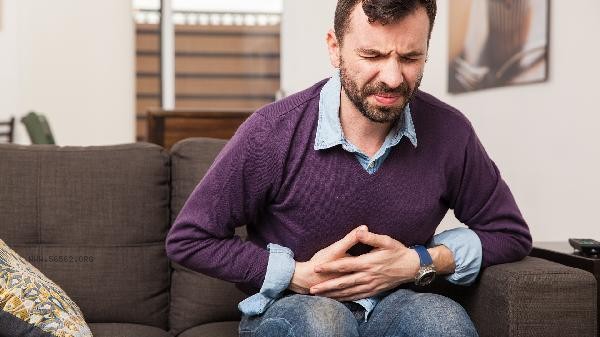
Some patients have high sensitivity to cholesterol and may experience right upper abdominal pain after consuming egg yolks. This group of people can temporarily stop using egg yolks and observe symptoms, and if necessary, undergo ultrasound follow-up to monitor changes in polyps.
5. Disease Management
If the diameter of gallbladder polyps exceeds 10 millimeters or is accompanied by gallstones, high cholesterol foods should be strictly restricted. At this time, dietary adjustments should be made under the guidance of a doctor, and regular abdominal ultrasound examinations should be conducted to assess the progression of polyps. Patients with gallbladder polyps should maintain a low-fat diet, increase their intake of vegetables, fruits, and whole grains, and avoid overeating. It is recommended to control the daily amount of cooking oil within 25 grams and prioritize the use of unsaturated fatty acids such as olive oil. Moderate exercise can help improve lipid metabolism, but vigorous twisting of the abdomen should be avoided. If there is persistent abdominal pain, fever, or jaundice, seek medical attention promptly to rule out cholecystitis or bile duct obstruction.








Comments (0)
Leave a Comment
No comments yet
Be the first to share your thoughts!