
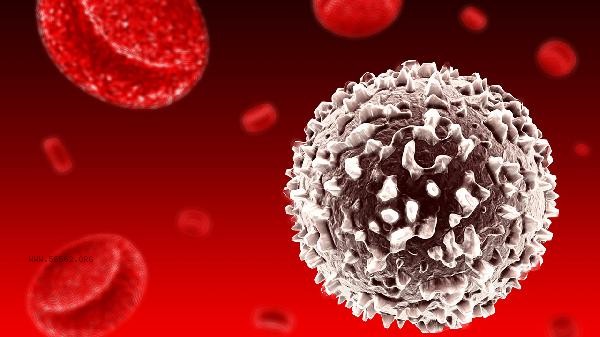
When the white blood cell count is low, it is usually recommended to avoid going to crowded places to reduce the risk of infection. White blood cells are an important component of the human immune system, and a decrease in their quantity can weaken the body's defense against pathogens. Low white blood cell count may be caused by factors such as viral infections, drug side effects, and blood system diseases. Viral infections such as influenza may temporarily reduce white blood cells, drugs such as chemotherapy or immunosuppressants can inhibit bone marrow hematopoietic function, and blood diseases such as aplastic anemia directly lead to white blood cell production disorders. In these cases, the patient's immune barrier is compromised, and the risk of pathogen exposure in densely populated areas significantly increases. In rare cases, patients with mild leukopenia and no other immune deficiencies may enter crowded areas for a short period of time after taking protective measures. But it is necessary to strictly wear masks, avoid contact with patients with respiratory infections, and control the stay time within 30 minutes. After coming into contact with public goods, it is necessary to immediately disinfect hands, change outer clothing promptly after returning home, and clean exposed skin areas. Patients with low white blood cell count should have regular blood routine check ups to monitor changes in values. It is necessary to maintain sufficient sleep in daily life and supplement high-quality protein and vitamin C rich foods in moderation, such as eggs and broccoli. Ventilate the living room 2-3 times a day and avoid living in a confined space with respiratory tract infections. If symptoms such as fever and worsening fatigue occur, seek medical attention promptly for anti infective treatment.










Comments (0)
Leave a Comment
No comments yet
Be the first to share your thoughts!