
Elevated levels of alpha fetoprotein generally require liver ultrasound examination. Elevated levels of alpha fetoprotein may be associated with liver diseases such as hepatitis, cirrhosis, and liver cancer. Liver ultrasound can be used to preliminarily evaluate whether the liver morphology and structure are abnormal.
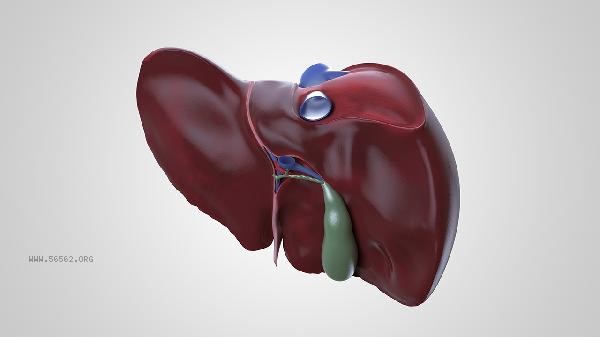
Alpha fetoprotein is a glycoprotein mainly synthesized by fetal liver cells and yolk sac, and its level rapidly decreases after birth. Elevated alpha fetoprotein in adults usually indicates liver disease, and mild elevation can be seen in the active stage of chronic hepatitis or cirrhosis. At this time, liver ultrasound may show non-specific changes such as thickening of liver parenchyma echoes and uneven liver surface. Moderate elevation requires vigilance against the risk of liver cancer. Liver ultrasound can detect typical manifestations such as hypoechoic nodules and space occupying lesions. Some non liver diseases such as testicular or ovarian germ cell tumors, and pregnant women may also experience elevated levels of alpha fetoprotein, but these conditions are often accompanied by other specific clinical manifestations. In rare cases, elevated levels of alpha fetoprotein may be associated with detection errors or benign liver disease, such as transient elevation during the recovery period of acute hepatitis. For patients with persistent abnormalities but no clear lesions detected by ultrasound, it is recommended to undergo further enhanced CT or MRI examination. Some genetic metabolic diseases such as tyrosinemia can also lead to sustained high levels of alpha fetoprotein, which is often accompanied by systemic symptoms such as growth and development delay. When high levels of alpha fetoprotein are found, excessive anxiety should be avoided, but strict adherence to medical advice and thorough examination are necessary. Daily abstinence from alcohol, avoidance of intake of hepatotoxic drugs, maintaining a regular schedule and balanced diet, and moderate supplementation of high-quality protein and vitamins. It is recommended to recheck the levels of alpha fetoprotein and liver imaging every 3-6 months, and dynamically monitor the trend of changes. If symptoms such as emaciation, liver pain, and jaundice occur simultaneously, immediate medical attention should be sought to investigate the possibility of malignant tumors.










Comments (0)
Leave a Comment
No comments yet
Be the first to share your thoughts!