
Whether liver elastography is necessary for high transaminase levels depends on the specific condition. In most cases, it is recommended to complete the examination, and in rare cases, it may not be necessary to perform it immediately. When the transaminase is mildly elevated and there are no other abnormal indicators, common causes such as viral hepatitis and fatty liver are usually given priority consideration, which can be clarified through basic examinations such as liver function review and ultrasound. If the patient has a long history of drinking, hepatitis B carrier and other high-risk factors, or the transaminase continues to be abnormal for more than 3 months, liver elastography is helpful to assess the degree of liver fibrosis. This examination has important value in staging chronic liver disease and can assist in distinguishing early changes in cirrhosis. Patients with acute drug-induced liver injury or transient elevation of transaminase may not require immediate elastography. Pregnancy, severe ascites, or obesity may affect the accuracy of testing and require a comprehensive evaluation by a doctor. Some non liver related diseases such as myocarditis and muscular dystrophy can also lead to abnormal transaminase levels, and in this case, the primary disease should be examined.
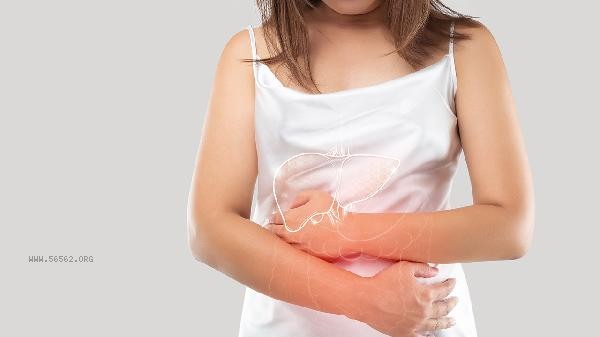
It is recommended that individuals with high transaminase levels avoid drinking alcohol, use liver damaging drugs with caution, and ensure 7-8 hours of sleep per day. High quality protein such as fish and soy products can be supplemented in moderation to control the intake of fried foods. If accompanied by symptoms such as jaundice, abdominal distension, or transaminase levels exceeding three times the normal range, it is necessary to seek medical attention from a liver disease specialist in a timely manner. Before and after the examination, fasting should be maintained for 8-12 hours to avoid intense exercise interfering with the results.








Comments (0)
Leave a Comment
No comments yet
Be the first to share your thoughts!