
Whether patients with severe fatty liver need to undergo liver biopsy depends on the specific situation. If there is persistent abnormal liver function, imaging examination suggests the risk of cirrhosis, or other liver diseases are combined, liver biopsy is usually recommended; If it is only a simple fatty liver and there are no other abnormal manifestations, it may not be necessary to perform it. When patients experience long-term elevation of transaminases and signs of liver fibrosis on ultrasound or CT, liver biopsy can help clarify the degree of liver inflammation and fibrosis staging, and guide the development of subsequent treatment plans. For example, in patients with metabolic syndrome or suspected autoimmune liver disease, biopsy results can differentiate whether fatty liver has progressed to non-alcoholic fatty liver disease. This type of examination can evaluate the proportion of hepatic steatosis and whether there are pathological changes such as ballooning, which is of great value in predicting prognosis. For patients diagnosed with simple fatty liver solely through blood tests and imaging, if there is no significant risk of liver function impairment or complications, lifestyle interventions and regular follow-up monitoring of the condition are usually recommended. As an invasive examination, liver biopsy carries potential risks such as bleeding and infection, and clinical decision-making needs to balance the benefits and risks. Especially for those with abnormal coagulation function or thrombocytopenia, it is necessary to carefully evaluate the necessity.
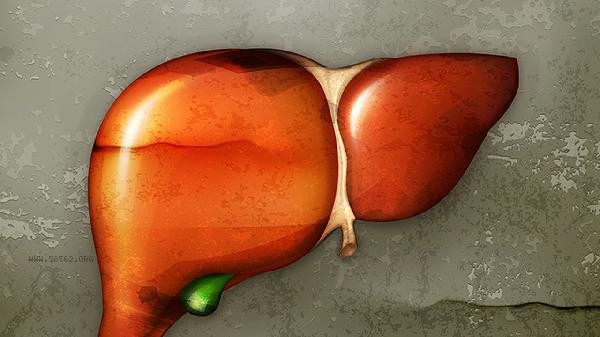
It is recommended that patients with severe fatty liver regularly monitor liver function, blood glucose, and lipid indicators, strictly control weight, and avoid alcohol consumption. If symptoms such as fatigue, jaundice, or abdominal discomfort occur, medical attention should be sought in a timely manner. After comprehensive evaluation by a specialist doctor, it is determined whether a biopsy is necessary. Daily diet should reduce intake of saturated fatty acids, increase dietary fiber and high-quality protein, and engage in moderate aerobic exercise to help improve liver metabolism.








Comments (0)
Leave a Comment
No comments yet
Be the first to share your thoughts!