
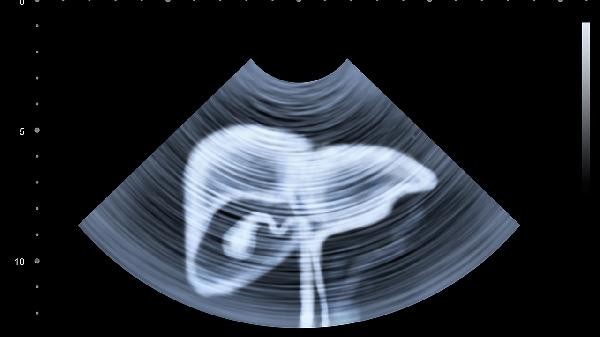
Whether liver biopsy is necessary for repeated high transaminase levels depends on the specific condition evaluation. In most cases, it is recommended to complete non-invasive examinations first, and in rare cases, liver biopsy should be considered. When the transaminase is repeatedly elevated, non-invasive examination is usually preferred to clarify the cause. Doctors will recommend testing for hepatitis virus markers, screening for autoimmune liver disease antibodies, liver ultrasound or elastography, and other examinations. These tests can help identify common causes such as viral hepatitis, fatty liver, and drug-induced liver injury. If the patient has a long-term history of alcohol consumption, obesity, or metabolic syndrome, targeted lifestyle adjustments may be necessary. After some patients quit drinking, lose weight, and stop taking hepatotoxic drugs, transaminase levels can gradually return to normal. When non-invasive examination cannot determine the cause, or when liver mass lesions or suspected autoimmune liver disease are found, liver biopsy may be considered. Liver biopsy is suitable for diagnosing difficult liver diseases, evaluating the degree of liver fibrosis, or monitoring treatment efficacy. This examination carries risks such as bleeding and infection, and the indications need to be strictly controlled. For patients with abnormal coagulation function, large amounts of ascites, or severe cardiovascular disease, liver biopsy is usually not recommended. Patients with repeatedly high transaminase levels should avoid taking liver protective drugs on their own and regularly monitor liver function indicators. Maintain a light diet in daily life, limit the intake of high-fat and high sugar foods, and ensure sufficient sleep. If symptoms such as fatigue and jaundice worsen, timely medical attention should be sought for follow-up examination.









Comments (0)
Leave a Comment
No comments yet
Be the first to share your thoughts!