
A 30 day physical examination for newborns usually requires measuring jaundice levels. Neonatal jaundice is a common phenomenon, but if it persists, it may indicate pathological jaundice, and the health status needs to be evaluated through jaundice value monitoring. The main detection methods include percutaneous jaundice measurement and serum bilirubin detection.

1. Physiological jaundice monitoring
Most newborns will experience physiological jaundice after birth, manifested as mild jaundice of the skin and sclera, usually appearing 2-3 days after birth and naturally subsiding within 7-10 days. If jaundice persists during the 30 day physical examination, rapid screening of bilirubin levels should be performed using a percutaneous jaundice analyzer. This test is non-invasive and safe, suitable for preliminary assessment. If the value is within the safe range and there are no other abnormalities, it may be due to breast milk jaundice. It is recommended to continue monitoring the feeding situation.
2. Pathological jaundice screening
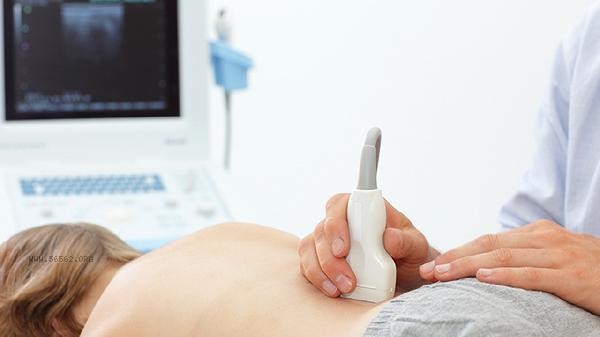
If jaundice does not subside or worsen by 30 days, it may indicate pathological jaundice and further testing of serum total bilirubin and direct bilirubin is required. Common causes include biliary atresia, genetic metabolic diseases, or infections. At this time, auxiliary diagnosis such as liver function examination and abdominal ultrasound should be combined. For example, children with biliary atresia may have clay colored stools and require intervention within 60 days after birth.
3. Evaluation of breast milk jaundice
Approximately 30% of breastfed newborns may experience persistent jaundice, which is related to the activity of β - glucuronidase in breast milk. If the bilirubin level slightly increases during the 30 day physical examination but the baby's mental state is good and weight gain is normal, it is recommended to pause breastfeeding for 3 days to observe changes in jaundice. It is not recommended to interrupt feeding on your own and adjustments should be made under the guidance of a doctor.
4. High risk factor screening
Premature infants, low birth weight infants, or children with hemolytic diseases belong to the high-risk group for jaundice. Even if there is no jaundice on the appearance during the 30 day physical examination, it is recommended to undergo testing. For example, ABO hemolytic children need to be monitored until bilirubin is completely normal to avoid bilirubin encephalopathy. The detection frequency may be adjusted to 1-2 times per week until the risk is eliminated.
5. Follow up recommendations
For infants with jaundice values close to the critical value, a personalized follow-up plan should be developed. Mild elevation can be retested 3-5 days later, while significant elevation requires retesting within 24 hours. Community hospitals can manage neonatal jaundice follow-up projects, record the change curve of each test value, and refer patients to neonatology for blue light therapy if necessary.

Parents need to observe daily changes in the range of yellowing on the newborn's skin, paying special attention to whether the eyes and palms are yellow. Maintain adequate feeding to promote bilirubin excretion and avoid wearing yellow clothing that may affect visual judgment. If jaundice spreads to the limbs or if the baby experiences symptoms such as drowsiness and refusal to breastfeed, immediate medical attention should be sought. Regular physical examinations and scientific monitoring are key measures to prevent serious complications of jaundice.








Comments (0)
Leave a Comment
No comments yet
Be the first to share your thoughts!