
Whether medication is necessary for moderate fatty liver with elevated transaminase levels depends on the degree of liver function damage. In most cases, liver protective drugs should be used according to medical advice, and a few mild abnormalities can be improved through lifestyle adjustments. Fatty liver may be caused by factors such as obesity, alcohol intake, metabolic abnormalities, etc. Elevated transaminase levels indicate liver cell damage. If the transaminase level is mildly elevated and there are no other complications, it is usually recommended to prioritize interventions such as weight loss, alcohol cessation, and low-fat diet for improvement. Maintain 30 minutes of aerobic exercise daily, such as brisk walking or swimming, limit daily fat intake to no more than 25 grams, avoid staying up late, and avoid high sugar drinks. After 3-6 months of lifestyle adjustment, some patients can gradually recover their transaminase levels to normal. When the transaminase continues to exceed the normal value by more than twice, or is accompanied by obvious symptoms such as jaundice and fatigue, liver protective drugs should be used under the guidance of a doctor. Common choices include Silymarin capsules, Bicyclol tablets, Glycyrrhetinic acid diammonium enteric coated capsules, etc. These drugs can improve liver function through mechanisms such as anti-inflammatory and stabilizing liver cell membranes. At the same time, it still needs to cooperate with basic etiological treatment, such as diabetes patients need to control blood sugar, hyperlipidemia patients need to adjust blood lipids.
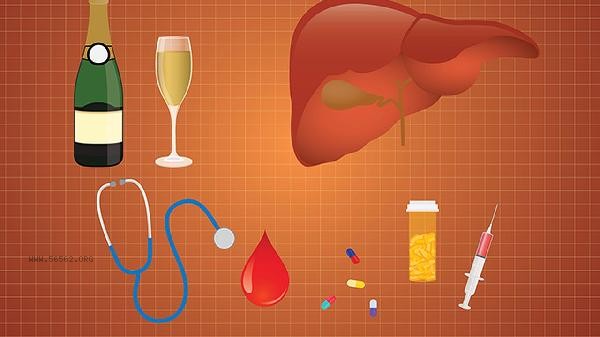
It is recommended to recheck liver function and liver ultrasound every 3 months, and avoid taking health supplements or traditional Chinese medicine on your own. If symptoms such as decreased appetite, worsening abdominal distension, and skin discoloration occur, seek medical attention promptly. Pay attention to avoiding the use of drugs that are harmful to the liver in daily life, maintain a regular schedule and balanced nutrition, and supplement high-quality protein such as fish and soy products appropriately to help liver cell repair.








Comments (0)
Leave a Comment
No comments yet
Be the first to share your thoughts!