
Whether it is necessary to take anti-inflammatory drugs for high white blood cells needs to be judged according to the specific causes. In most cases, it is unnecessary to use anti-inflammatory drugs immediately, and a few infectious diseases may need to follow the doctor's advice. Elevated white blood cells may be related to various factors such as physiological stress, infection, and inflammatory response.
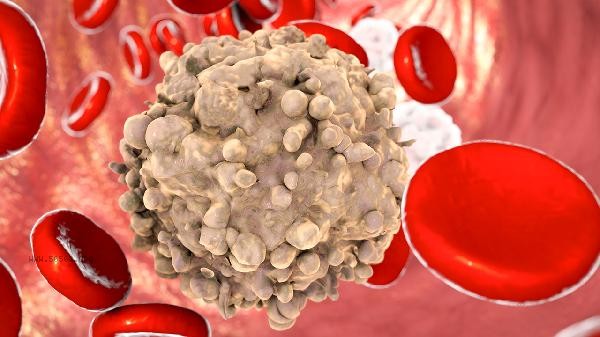
Healthy individuals may experience temporary elevation of white blood cells after intense exercise, pregnancy, or emotional stress, which is a physiological response and usually does not require special treatment. After sufficient rest, hydration, and maintaining emotional stability, the white blood cell count can gradually return to normal in such situations. If the abnormal indicators are caused by staying up late or improper diet before the physical examination, it is recommended to have a follow-up blood routine to confirm. The significant increase in white blood cells caused by bacterial infection may require antibiotic treatment, such as amoxicillin capsules, cefepime dispersible tablets, levofloxacin tablets, etc., but it needs to be evaluated by a doctor before being prescribed. The elevation caused by viral infection is usually not suitable for antibiotics, and overuse of anti-inflammatory drugs may actually disrupt the balance of gut microbiota. White blood cell abnormalities caused by non infectious factors such as autoimmune diseases and hematological disorders require targeted treatment for the underlying disease rather than simply anti-inflammatory treatment.
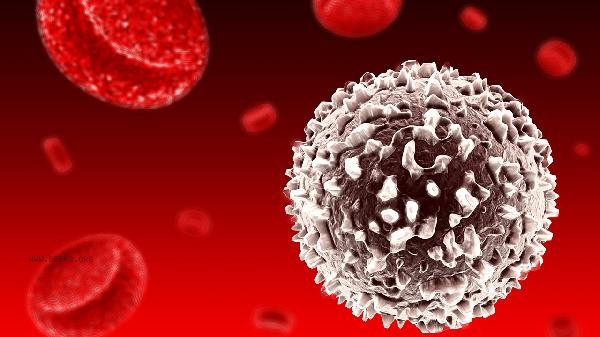
When high white blood cell count is found, self medication should be avoided. It is recommended to improve the examination of infection indicators such as C-reactive protein and procalcitonin, and if necessary, further identification should be carried out by peripheral blood smear, bone marrow puncture, etc. Maintain a regular daily routine, avoid overwork, pay attention to balanced nutrition in diet, and increase intake of fresh vegetables and fruits appropriately. Regularly recheck the blood routine to dynamically observe changes in indicators. If there are persistent abnormalities or symptoms such as fever and fatigue, timely medical attention should be sought from the hematology or infectious disease department.








Comments (0)
Leave a Comment
No comments yet
Be the first to share your thoughts!