
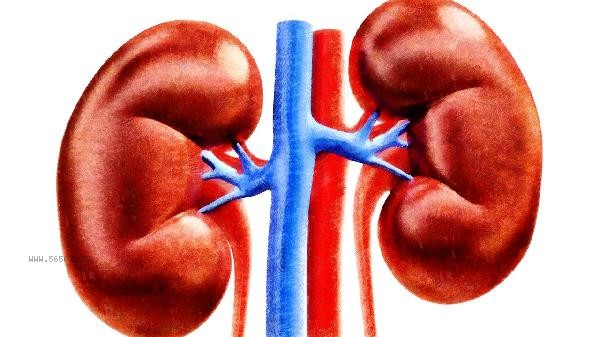
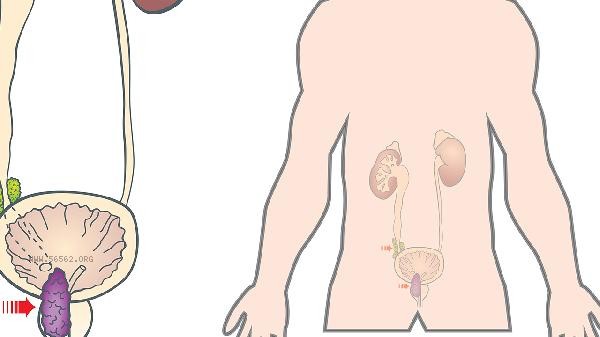
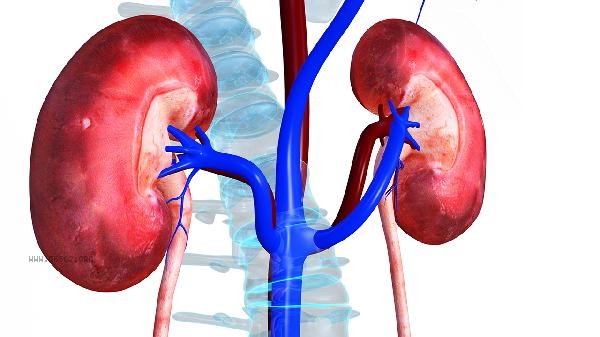
Patients with kidney stones usually need to drink more water. Increasing water intake can help dilute urine, reduce the probability of stone formation, and promote the elimination of small stones. The formation of kidney stones is closely related to urine concentration. When the mineral concentration in urine is too high, it is easy to precipitate crystals and gradually form stones. Drinking more water can reduce the concentration of substances such as calcium, oxalic acid, and uric acid in urine, and reduce the risk of crystal deposition. For small stones with a diameter less than 5 millimeters, sufficient water intake can help them to be naturally expelled through the flushing effect of urine flow. It is recommended to maintain a daily water intake of 2000-3000 milliliters to keep urine in a light yellow or transparent state. The main type of drinking water is plain water, and lemon water can be consumed in moderation, but strong tea, coffee, and carbonated drinks should be avoided. If a patient has severe renal insufficiency, heart failure, or other diseases that require restricted fluid intake, it is not advisable to blindly increase water intake. Such patients should adjust their daily fluid intake under the guidance of a doctor to avoid exacerbating the burden on the heart or kidneys. In addition, for patients who have already formed large stones or have urinary tract obstruction, simply drinking plenty of water may not promote stone expulsion, but may instead lead to hydronephrosis, requiring intervention through extracorporeal shock wave lithotripsy or surgery. In addition to increasing water intake, patients with kidney stones should regularly undergo urinary system ultrasound to monitor changes in stone formation. Diet should be adjusted according to the composition of stones, such as limiting high oxalate foods for patients with calcium oxalate stones and reducing high purine intake for patients with uric acid stones. Maintaining moderate exercise can also help prevent stone recurrence, but vigorous activity should be avoided during acute attacks. If symptoms such as severe back pain, hematuria, or fever occur, seek medical attention promptly.








Comments (0)
Leave a Comment
No comments yet
Be the first to share your thoughts!