
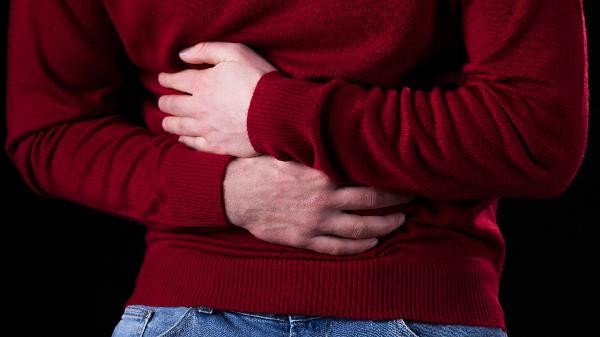
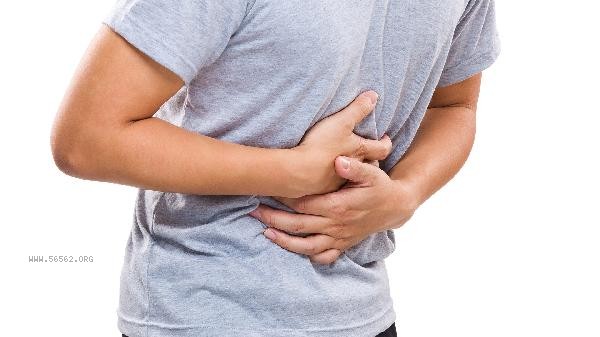
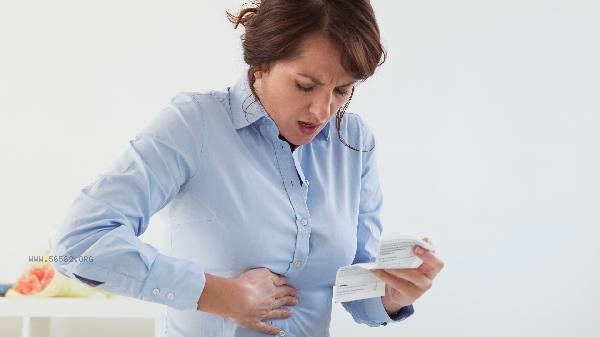
Patients with gallstones usually need to avoid eating spicy food. Spicy food may stimulate gallbladder contraction, induce biliary colic, or worsen symptoms of cholecystitis. Gallstones are mainly caused by abnormal cholesterol metabolism, bile stasis, bacterial infections, and other factors. Common symptoms include upper right abdominal pain, nausea and vomiting, indigestion, etc. It is recommended that patients seek medical attention promptly and adjust their dietary structure under the guidance of a doctor. Spicy foods such as chili peppers, Sichuan peppercorns, ginger, etc. contain capsaicin and volatile substances, which can stimulate the gastrointestinal mucosa and reflexively cause severe gallbladder contractions. For patients with gallstones, gallbladder contraction may cause the stones to get stuck in the neck of the gallbladder or common bile duct, leading to biliary colic. The typical manifestation is paroxysmal colic in the upper right abdomen after eating greasy or spicy food, which may radiate to the right shoulder and back, accompanied by nausea and vomiting. Long term spicy diet may also induce chronic cholecystitis, leading to thickening and decreased function of the gallbladder wall. Some patients have a good tolerance to spicy foods and do not experience significant discomfort after consuming small amounts. Such people can try a small amount of spicy condiments under the guidance of doctors, but they need to avoid consuming a large amount of hot pot, Spicy Hot Pot and other heavy flavor foods. When combined with acute cholecystitis, cholangitis, or pancreatitis, it is necessary to strictly avoid spicy food, otherwise it may worsen the inflammatory response. In special circumstances, such as when the gallbladder has been removed and there are no abnormalities in the biliary system, normal diet can be gradually resumed, but attention should still be paid to observing digestive reactions. In addition to avoiding spicy foods, patients with gallstones should limit high cholesterol foods such as animal organs and egg yolks, and reduce intake of fried foods. Increasing dietary fiber can be supplemented with whole grains, vegetables, and fruits, which can help promote bile excretion. Eating regularly and avoiding overeating can reduce the burden on the gallbladder. If symptoms such as persistent abdominal pain, fever, or jaundice occur, seek medical attention immediately to investigate biliary obstruction or infection. Doctors may recommend medications such as ursodeoxycholic acid capsules and anti-inflammatory and choleretic tablets based on the condition, or evaluate the necessity of surgery.








Comments (0)
Leave a Comment
No comments yet
Be the first to share your thoughts!