
Whether medication is needed for elderly people with high blood pressure found during physical examinations depends on a comprehensive assessment of blood pressure levels, cardiovascular risk, and comorbidities. If blood pressure continues to exceed 140/90 mmHg or there are high-risk factors, it is usually recommended to initiate medication treatment; If it is mildly elevated and there are no other risks, lifestyle interventions may be prioritized for control.

For the elderly with slightly elevated blood pressure and no diabetes, cardiovascular and cerebrovascular diseases, try non drug management for 3-6 months first. Keep daily salt intake below 5 grams, increase intake of potassium rich vegetables and fruits such as bananas and spinach, and engage in 150 minutes of moderate intensity exercise such as brisk walking or swimming per week. Losing 5% -10% of body weight can significantly lower blood pressure, and smoking cessation, alcohol restriction, and avoiding factors such as staying up late are also necessary. Regular home blood pressure monitoring can help evaluate effectiveness, and it is recommended to measure and record it once in the morning and once in the evening.
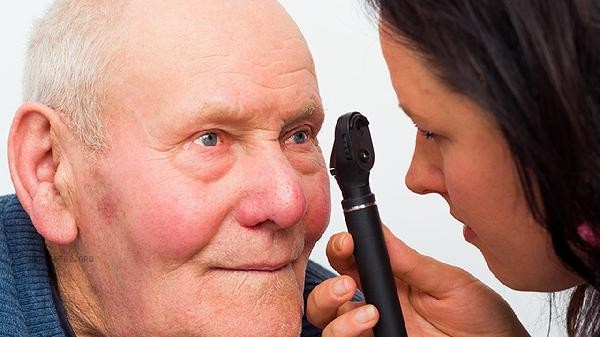
When blood pressure continues to be ≥ 160/100 mm Hg, or when combined with target organ damage such as diabetes and chronic kidney disease, antihypertensive drugs should be selected under the guidance of doctors. Common protocols include calcium channel blockers such as amlodipine besylate tablets and angiotensin-converting enzyme inhibitors such as perindopril tert butylamine tablets. When using combination therapy, diuretics such as indapamide sustained-release tablets may be used, but attention should be paid to orthostatic hypotension. During the medication period, check blood pressure, blood potassium, and kidney function every month to avoid adjusting the dosage without authorization. Regardless of medication use, elderly individuals should have their blood pressure, carotid ultrasound, and urinary microalbumin checked annually. Emergency treatment is required when sudden dizziness or blood pressure fluctuations exceed 180/110 mmHg. The long-term control target is usually<150/90 mmHg, and may be appropriately relaxed for frail elderly patients. Maintaining a balanced diet and regular sleep schedule are the foundation for stable blood pressure. It is recommended to adopt a Mediterranean diet pattern and ensure 7 hours of sleep per day.









Comments (0)
Leave a Comment
No comments yet
Be the first to share your thoughts!