
Children's spring physical examination needs to focus on checking the respiratory tract. Spring is a high-risk season for respiratory diseases, and children's immune systems are underdeveloped, making them vulnerable to respiratory pathogens. During physical examinations, special attention should be paid to throat and lung auscultation, as well as allergen screening.

1. Pharyngeal examination
Observe visually whether the pharyngeal mucosa of children is congested and swollen, and whether there is swelling or exudation in the tonsils. The common symptoms of streptococcal pharyngitis in spring include sore throat and difficulty swallowing, which should be distinguished from viral pharyngitis. When abnormalities are found during physical examination, throat swab culture can be performed to identify the pathogen and receive targeted treatment.
2. Lung auscultation
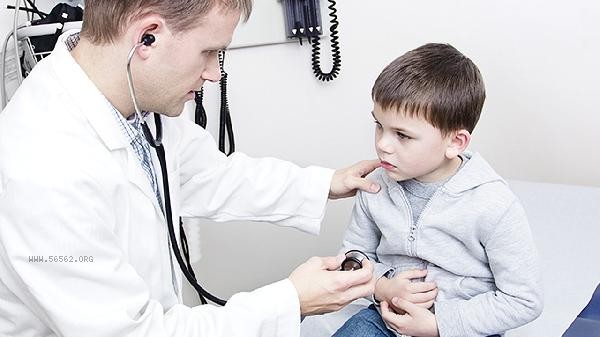
Use a stethoscope to evaluate whether the respiratory sounds of both lungs are clear, and whether there are abnormal signs such as wheezing and wet rales. Bronchial asthma, which is highly prevalent in spring, may present with prolonged exhalation accompanied by wheezing sounds, and children with pneumonia may have fixed wet rales. It is recommended to complete lung function tests for children with wheezing symptoms.
3. Allergen testing
uses skin prick tests or serum specific IgE testing to screen for common inhaled allergens such as pollen and dust mites. The increase in pollen concentration in spring can easily induce allergic rhinitis and asthma. After identifying the allergen, environmental intervention or desensitization treatment can be carried out.
4. Immune function assessment [SEP]: Children with recurrent respiratory tract infections need to be tested for indicators such as immunoglobulin and lymphocyte subsets. Children with congenital immunodeficiency are more prone to severe respiratory infections in spring, and early detection can provide timely immunomodulatory treatment.
5. Vaccination Verification
Verify the vaccination records of respiratory related vaccines such as influenza vaccine and pneumococcal vaccine. Children who have not completed basic immunization should receive timely re vaccination before the high incidence of infectious diseases in spring. Vaccines can significantly reduce the risk of severe respiratory infections.
In addition to physical examination items, parents should pay attention to maintaining indoor air circulation and avoid taking children to crowded places. Appropriately increase outdoor activities to enhance physical fitness, ensure sufficient sleep and balanced nutrition. If children experience persistent respiratory symptoms such as coughing and fever, they should seek medical attention promptly to clarify the diagnosis. Regular physical examinations combined with scientific protection can effectively prevent the occurrence of respiratory diseases in spring.









Comments (0)
Leave a Comment
No comments yet
Be the first to share your thoughts!