
Whether a low red blood cell count in the blood routine requires bone marrow examination should be determined based on the specific condition. In most cases, it is necessary to first investigate common causes such as iron deficiency anemia and chronic inflammation. If accompanied by abnormal blood cell morphology or suspected blood system diseases, doctors will recommend bone marrow examination. Low red blood cell count is common in non malignant diseases such as iron deficiency anemia, chronic kidney disease, and gastrointestinal bleeding. This type of situation can usually be diagnosed through laboratory tests such as serum ferritin and renal function, without the need for immediate bone marrow puncture. For example, patients with iron deficiency anemia may experience fatigue and pale complexion. By supplementing with iron supplements such as ferrous succinate tablets and polysaccharide iron complex capsules, combined with the intake of iron rich foods such as animal liver and red meat, most patients' indicators can gradually recover. When red blood cells continue to decrease and are accompanied by abnormalities in white blood cells or platelets, and immature cells are found on peripheral blood smears, diseases such as aplastic anemia and myelodysplastic syndrome should be considered. At this time, bone marrow examination can directly evaluate hematopoietic function and help differentiate malignant hematological lesions such as leukemia and bone marrow fibrosis. Some patients may experience bone pain and hepatosplenomegaly, which require further diagnosis through bone marrow biopsy and genetic testing.
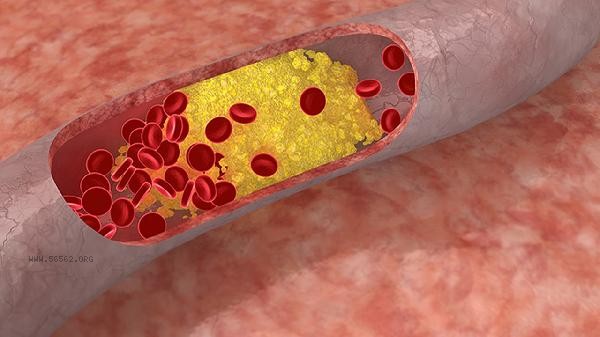
Daily attention should be paid to observing whether there are symptoms such as gum bleeding and subcutaneous bruising, and avoiding intense exercise that exacerbates hypoxia. It is recommended to complete tests such as reticulocyte count and vitamin B12 testing under the guidance of a hematologist, and decide whether to perform bone marrow puncture based on the results. Anticoagulants should be discontinued before examination, and the puncture site should be kept clean and dry after surgery.








Comments (0)
Leave a Comment
No comments yet
Be the first to share your thoughts!