
Repeated elevated transaminase levels are usually recommended for autoimmune liver disease testing. Abnormal transaminase levels may be related to autoimmune hepatitis, primary biliary cholangitis, and other diseases, and require comprehensive evaluation in combination with liver function, antibody testing, and imaging examinations. When the transaminase continues to increase, autoimmune liver disease is an important screening direction. Patients with autoimmune hepatitis may experience symptoms such as fatigue, decreased appetite, jaundice, etc. Antinuclear antibodies or anti smooth muscle antibodies can be detected in the serum. The early manifestations of primary biliary cholangitis are an increase in alkaline phosphatase, accompanied by positive anti mitochondrial antibodies. In the later stages, there may be symptoms such as skin itching and fat diarrhea. Both of these diseases require diagnosis through liver biopsy, and treatment options include medications such as glucocorticoids and ursodeoxycholic acid. In addition to autoimmune factors, viral hepatitis, alcoholic liver disease, drug-induced liver injury, etc. can also cause fluctuations in transaminase levels. Hepatitis B virus surface antigen and hepatitis C virus antibody screening can exclude viral infection. Long term alcohol consumption history or recent use of hepatotoxic drugs such as acetaminophen, anti tuberculosis drugs, etc., corresponding causes should be considered. Nonalcoholic fatty liver disease is common in obese and diabetes patients, which can be preliminarily judged by ultrasound.
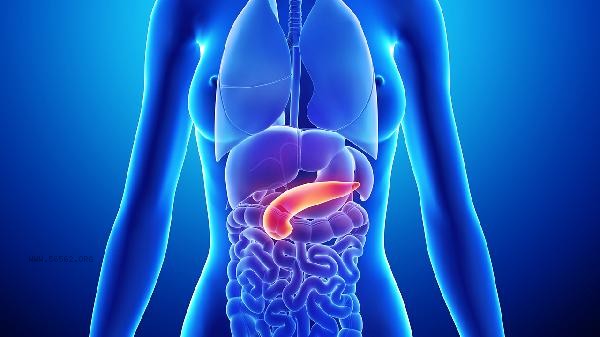
It is recommended to maintain a regular schedule and avoid staying up late and overworking. The diet is mainly low-fat and high protein, with restrictions on the intake of animal organs and fried foods. Strictly abstain from alcohol and use health supplements and traditional Chinese medicine preparations with caution. Regularly review liver function indicators. If there are persistent abnormalities or symptoms such as abdominal distension and bleeding of the skin and mucous membranes, it is necessary to seek medical attention promptly at a gastroenterology or liver disease department.









Comments (0)
Leave a Comment
No comments yet
Be the first to share your thoughts!