
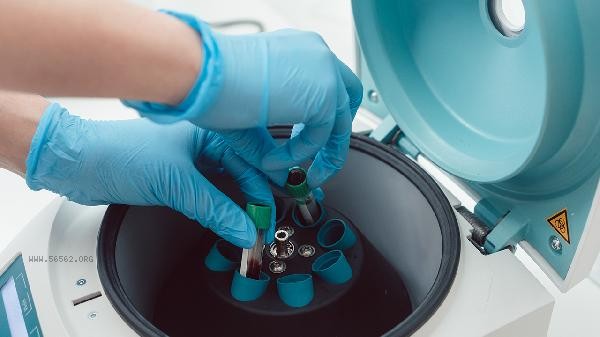
Indirect bilirubin elevation usually requires a blood routine test. Elevated indirect bilirubin may be related to factors such as hemolytic anemia and liver and gallbladder diseases, and blood routine examination can help assist in diagnosing the cause. Indirect bilirubin is an intermediate product of bilirubin metabolism, and when its value increases, blood routine examination can provide important clues. By observing indicators such as red blood cell count, hemoglobin level, and reticulocyte ratio, it is possible to preliminarily determine the presence of hemolysis. If the decrease in hemoglobin is accompanied by an increase in reticulocytes, it indicates a higher possibility of hemolytic anemia. Blood routine can also detect abnormalities in infection related indicators, such as changes in white blood cell count, to assist in ruling out bilirubin metabolism abnormalities caused by infectious factors. For indirect bilirubin elevation caused by non hemolytic reasons, such as congenital bilirubin metabolism enzyme deficiency, blood routine test results may be normal. This type of situation requires further examination such as liver function and ultrasound. Partial medication or vigorous exercise may also cause a transient mild increase in indirect bilirubin, and blood routine examination can help rule out pathological factors.
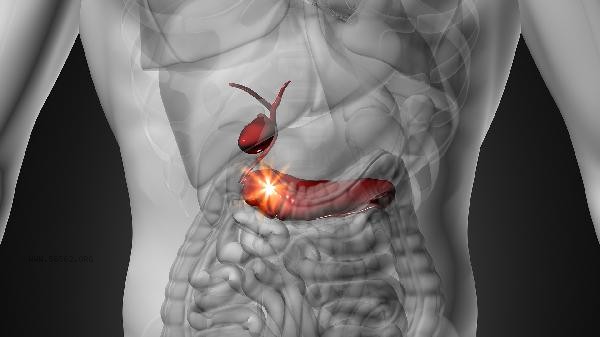
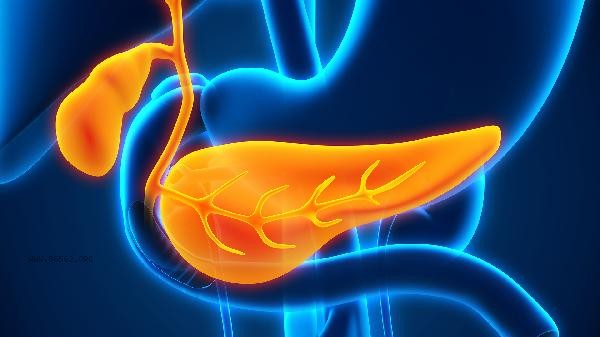
It is recommended to avoid vigorous exercise and alcohol consumption before the examination. Fasting for more than 8 hours can obtain more accurate results. If there are persistent abnormalities, re examination and improvement of liver function, hepatobiliary ultrasound and other examinations are required. The doctor will develop an intervention plan after comprehensive evaluation. Pay attention to observing symptoms such as yellowing of the skin and sclera, darkening of urine color, etc. in daily life, and avoid using drugs that may cause hemolysis.








Comments (0)
Leave a Comment
No comments yet
Be the first to share your thoughts!