
The mandatory items for physical examination of diabetes patients mainly include fasting blood glucose, glycosylated hemoglobin, microalbuminuria, blood lipid examination and fundus examination. These projects help evaluate blood glucose control, risk of complications, and overall health status.
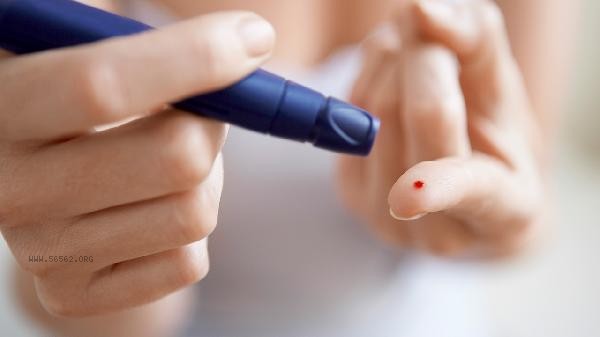
1. Fasting blood glucose
Fasting blood glucose is a basic indicator for diagnosis and monitoring of diabetes, reflecting the blood glucose level of patients who have not eaten for 8-10 hours. The normal value is usually 3.9-6.1 mmol/L, and diabetes patients should be controlled at 4.0-7.0 mmol/L. Before testing, it is necessary to maintain a regular diet and avoid vigorous exercise or staying up late, otherwise it may affect the accuracy of the results. The abnormal increase in this indicator indicates poor blood glucose control in the near future and requires adjustment of the glycemic control plan.
2. Glycated hemoglobin
Glycated hemoglobin can reflect the average blood glucose level in the past 2-3 months and is not affected by short-term diet. It is the gold standard for evaluating long-term blood glucose control. The ideal value should be below 6.5%, and if it exceeds 7%, one should be alert to the risk of chronic complications. The test does not require fasting, but anemic patients may experience pseudo reduction. This index is closely related to microvascular complications such as diabetes retinopathy and nephropathy.
3. Urine microalbumin
Urine microalbumin detection can early detect diabetes nephropathy, which is a sensitive indicator of kidney damage. The normal value is less than 30 milligrams per gram of creatinine, and 30-300 milligrams indicate early disease. Collect mid morning urine to avoid testing during menstruation or after intense exercise. When this indicator is abnormal, it is necessary to evaluate renal function in combination with blood creatinine and strengthen blood pressure and blood glucose management.
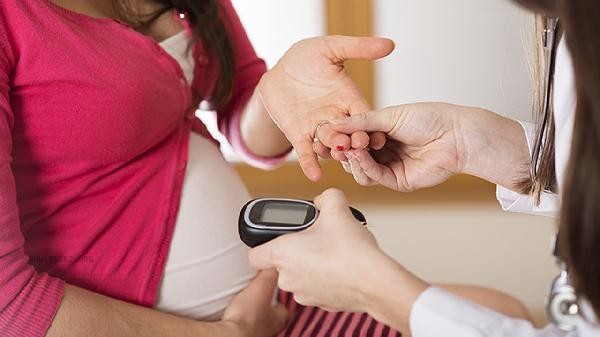
4. Blood lipid examination
Blood lipid examination includes total cholesterol, triglycerides, high-density and low-density lipoprotein cholesterol. Patients with diabetes are often accompanied by dyslipidemia, and the ideal value is that the low density lipoprotein is less than 2.6 mmol/l. The test should be conducted on an empty stomach for 12 hours to avoid interference from a high-fat diet. Dyslipidemia can accelerate arteriosclerosis and increase the risk of cardiovascular and cerebrovascular events, requiring intervention with lipid-lowering drugs.
5. Fundus examination
Fundus examination can directly detect diabetes retinopathy by observing retinal blood vessels through mydriasis. It is recommended to have an annual check-up, as there may be no visual symptoms in the early stages of the disease. Immediate laser treatment is required for the occurrence of microaneurysms and bleeding exudation. This examination is very important to prevent blindness. Pregnant diabetes patients should be rechecked every 3 months.

In addition to regular physical examination, diabetes patients need to maintain a balanced diet, limit refined sugar and saturated fat intake, and choose whole grains, green leafy vegetables and other low glycemic index foods. Perform 150 minutes of moderate intensity aerobic exercise per week, such as brisk walking and swimming, and avoid exercising on an empty stomach. Monitor blood sugar daily and record it, pay attention to foot hygiene and examination. Symptoms such as blurred vision and edema should be promptly treated with medical attention, and all medication adjustments should be made under the guidance of a doctor.








Comments (0)
Leave a Comment
No comments yet
Be the first to share your thoughts!