
Elevated blood routine mononuclear cells may be caused by infections, autoimmune diseases, hematological disorders, drug reactions, or physiological factors. Monocytes are an important component of the immune system, and an abnormal increase in their number usually indicates inflammation or activation of the immune response in the body.
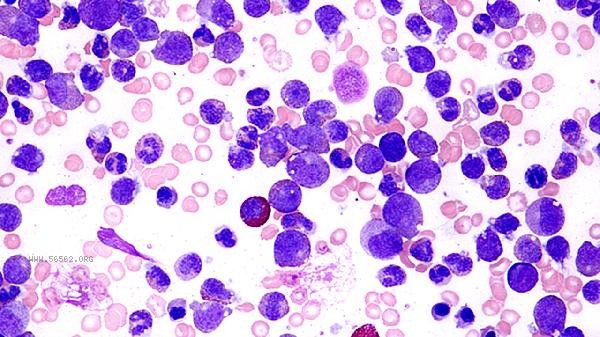
1. Infection with
viruses or bacteria is a common cause of mononucleosis. Infectious mononucleosis caused by EB virus infection can lead to a significant increase in monocytes, accompanied by fever, sore throat, and lymph node enlargement. Mycobacterium tuberculosis infection may also cause an increase in monocytes, and patients may experience long-term symptoms such as low-grade fever, night sweats, and coughing. Pathogen testing is required for infectious factors, such as tuberculin test, EB virus antibody test, etc. Treatment can use antiviral drugs such as acyclovir tablets and rifampicin capsules. 2. Autoimmune diseases such as systemic lupus erythematosus and rheumatoid arthritis can stimulate monocyte proliferation. This type of disease is often accompanied by symptoms such as joint swelling and pain, rash, and photosensitivity. Laboratory tests show positive results for anti nuclear antibodies. Immunomodulators such as methotrexate tablets and hydroxychloroquine sulfate tablets should be used for treatment, in combination with nonsteroidal anti-inflammatory drug diclofenac sodium sustained-release tablets to control symptoms.
3. Hematological disorders
Chronic myelomonocytic leukemia, myelodysplastic syndrome, and other hematological disorders can directly lead to abnormal proliferation of monocytes. The patient may have anemia, bleeding tendency, and splenomegaly, which need to be diagnosed through bone marrow puncture. Treatment includes injection of chemotherapy drugs such as cytarabine and oral hydroxyurea tablets. In severe cases, hematopoietic stem cell transplantation may be considered.
4. Drug Reactions
Long term use of glucocorticoids such as prednisone acetate tablets and antiepileptic drug carbamazepine tablets may cause an increase in monocyte reactivity. This situation usually gradually recovers after stopping the medication, and if necessary, the medication plan can be adjusted according to the doctor's advice.

5. Physiological factors
Intense exercise, pregnancy, menstrual cycle, and other physiological states may cause a transient increase in monocytes. This type of change usually has no clinical symptoms, and re examination of blood routine can usually restore normalcy on its own without the need for special treatment. When high levels of monocytes are found, other indicators should be combined to make a comprehensive judgment and avoid excessive anxiety. It is recommended to maintain a regular daily routine and supplement foods such as broccoli and kiwifruit that are rich in vitamin C in moderation to enhance immunity. If there are persistent abnormalities or accompanied by obvious symptoms, it is necessary to seek timely medical attention from a hematology department for further evaluation such as peripheral blood smear and bone marrow examination. Pay attention to monitoring temperature changes in daily life and avoid using drugs that affect immune function without authorization.









Comments (0)
Leave a Comment
No comments yet
Be the first to share your thoughts!