
Women should pay attention to dietary adjustments, intestinal preparation, psychological regulation, and special physiological period arrangements before undergoing colonoscopy. Reasonable preparation can improve inspection accuracy and comfort.
1. Dietary adjustment: High fiber foods such as whole grains, nuts, beans, etc. should be avoided for 3 days before the examination to reduce intestinal residues. Change to liquid diet the day before the examination, such as clear soup, fruit juice, slag free Congee, etc., to ensure that the intestinal tract is clean. On the day of the examination, it is necessary to fast and avoid eating any solid food.
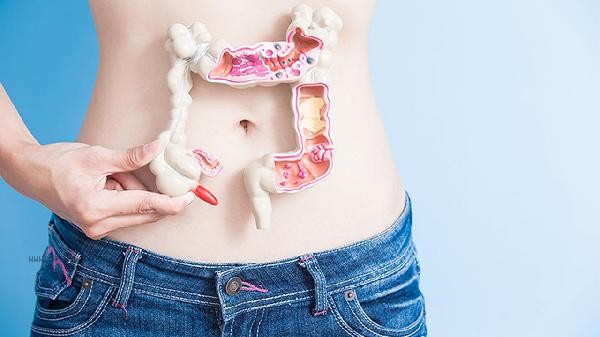
2. Intestinal preparation: The day before the examination, it is necessary to take a laxative prescribed by the doctor, such as polyethylene glycol electrolyte powder, to thoroughly clean the intestines. After taking medication, it is recommended to drink a large amount of water, usually 2-3 liters, to promote bowel movements. Defeat until the water is clear, ensuring that there is no residue in the intestines.
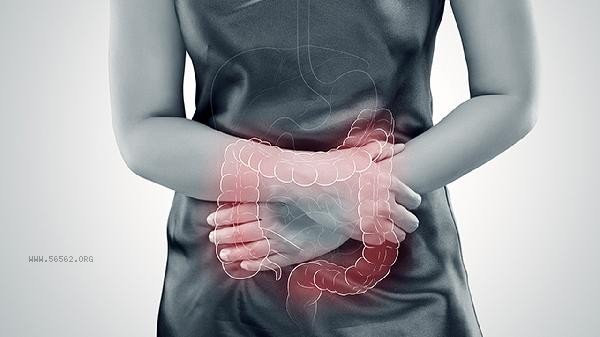
3. Psychological regulation: Colonoscopy examination may cause tension or anxiety. It is recommended to understand the examination process in advance, communicate doubts with doctors, and relieve psychological pressure. During the examination, painless colonoscopy can be chosen and anesthesia drugs can be used to alleviate discomfort. Stay relaxed during the examination and cooperate with the doctor's operation.
4. Special menstrual period arrangement: It is not recommended for women to undergo colonoscopy during menstruation as it may increase the risk of infection. If the examination time coincides with the menstrual period, the examination date can be adjusted through consultation with the doctor. Caution should be exercised during pregnancy, and colonoscopy is not recommended unless necessary.
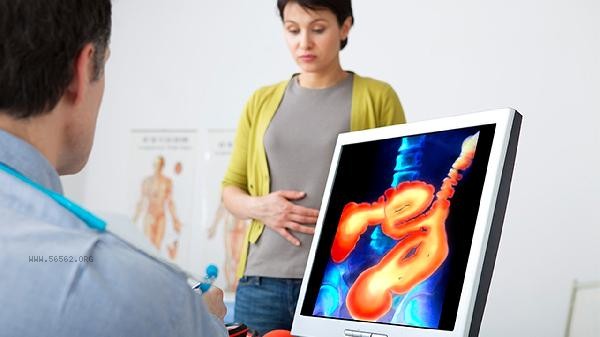
Women undergoing colonoscopy need to be fully prepared from aspects such as diet, intestinal preparation, psychology, and physiological period to ensure the smooth progress of the examination. After the examination, pay attention to rest, avoid vigorous exercise, and gradually restore normal diet. If you experience any discomfort, seek medical attention promptly.








Comments (0)
Leave a Comment
No comments yet
Be the first to share your thoughts!