
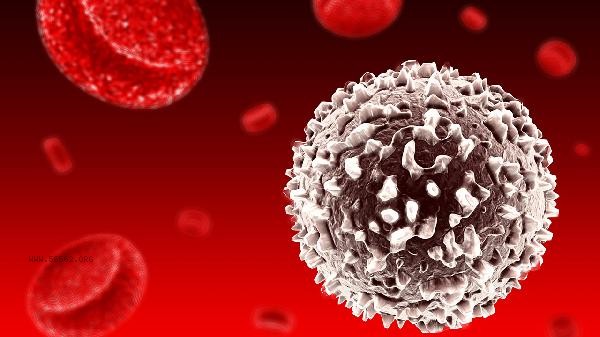
Physical examination shows that low white blood cells may be caused by viral infections, drug side effects, autoimmune diseases, bone marrow suppression, malnutrition, and other reasons. Intervention can be achieved through adjusting diet, discontinuing relevant drugs, anti infective treatment, immune regulation, bone marrow function testing, and other methods.
1. Viral infection
Influenza virus, EB virus and other infections may inhibit bone marrow hematopoietic function, leading to a temporary decrease in white blood cell count. Patients may experience symptoms such as fever, sore throat, and enlarged lymph nodes. Commonly used antiviral drugs in clinical practice include ribavirin granules and oseltamivir phosphate capsules. Amoxicillin and clavulanate potassium tablets can be used in combination with bacterial infections. It is recommended to ensure daily water intake and avoid vigorous exercise.
2. Drug side effects
Long term use of immunosuppressants such as methotrexate tablets and cyclophosphamide tablets, or chemotherapy drugs, may directly damage the bone marrow hematopoietic microenvironment. Patients may experience symptoms such as fatigue and oral ulcers. The medication plan should be adjusted under the guidance of a doctor, and if necessary, recombinant human granulocyte colony-stimulating factor injection should be used, while monitoring changes in blood routine.
3. Autoimmune diseases
Abnormal antibodies produced by diseases such as systemic lupus erythematosus and rheumatoid arthritis can attack hematopoietic cells. Typical symptoms include joint swelling and pain, rash, Raynaud's syndrome, etc. Diagnosis requires a combination of anti nuclear antibody spectrum testing. Prednisone tablets combined with hydroxychloroquine sulfate tablets are commonly used for treatment, and in severe cases, cyclophosphamide injection is required. 4. Bone marrow suppression. Diseases such as aplastic anemia and myelodysplastic syndrome can lead to a decrease in the number of hematopoietic stem cells. Patients often experience symptoms such as pale complexion and subcutaneous bleeding points. Bone marrow biopsy is required to confirm the diagnosis. Mild cases can be treated with testosterone undecylate soft capsules, while moderate to severe cases may require consideration of allogeneic hematopoietic stem cell transplantation.

5. Malnutrition
Long term lack of vitamin B12, folate, or insufficient protein intake can affect white blood cell synthesis. May be accompanied by weight loss, glossitis, and other symptoms. It is recommended to increase the intake of lean meat, animal liver, and dark green vegetables. If necessary, folic acid tablets and vitamin B12 tablets should be supplemented, and blood tests should be regularly checked. People with low white blood cell count should maintain a regular daily routine, consume high-quality protein such as eggs, fish, etc., and avoid raw and cold foods. Wear a mask when in contact with infected individuals and pay attention to abnormal symptoms such as gum bleeding and recurrent fever. It is recommended to recheck the blood routine every 1-2 weeks. If the absolute value of neutrophils remains below 1.5 × 10 ⁹/L or is accompanied by severe infection, immediate medical attention should be sought from the hematology department. During periods of low immune function, vaccination should be temporarily postponed, and the living environment should be regularly ventilated and disinfected.









Comments (0)
Leave a Comment
No comments yet
Be the first to share your thoughts!