
Physical examination reveals that thyroid nodule enlargement is usually a benign lesion, and most do not require special treatment. In rare cases, it may be related to diseases such as thyroid cancer. Thyroid nodule enlargement may be related to factors such as iodine deficiency, thyroid inflammation, thyroid adenoma, etc., manifested as neck lumps, swallowing discomfort, and other symptoms.
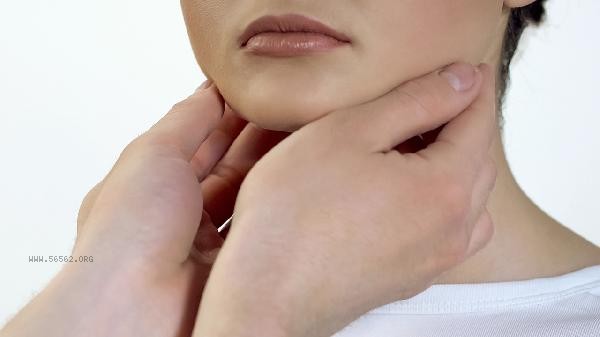
1. Iodine deficiency
Long term insufficient iodine intake may lead to compensatory enlargement of the thyroid gland and the formation of nodules. These types of nodules are usually soft in texture and have clear boundaries. It can be improved by consuming iodine rich foods such as iodized salt and kelp. Daily intake of thyroid enlargement causing substances such as cabbage and cassava should be avoided in large quantities. Regular follow-up thyroid ultrasound and thyroid function can help monitor changes in the condition.
2. Thyroiditis
Autoimmune diseases such as Hashimoto's thyroiditis often cause diffuse thyroid enlargement with multiple nodules. May be accompanied by thyroid dysfunction, such as hyperthyroidism or hypothyroidism symptoms. Diagnosis requires testing for anti thyroid peroxidase antibodies and thyroglobulin antibodies. Treatment includes medication such as levothyroxine sodium tablets to regulate function, and regular monitoring of thyroid volume changes.
3. Thyroid adenoma
Benign tumors of thyroid follicular epithelium can form single nodules, and ultrasound often shows intact capsules and abundant blood supply. Symptoms of compression such as hoarseness and difficulty breathing may occur. Fine needle aspiration biopsy can differentiate the nature. Partial thyroidectomy may be considered when the volume is large or there is suspicion of malignancy. Long term follow-up of thyroid function is required after surgery.
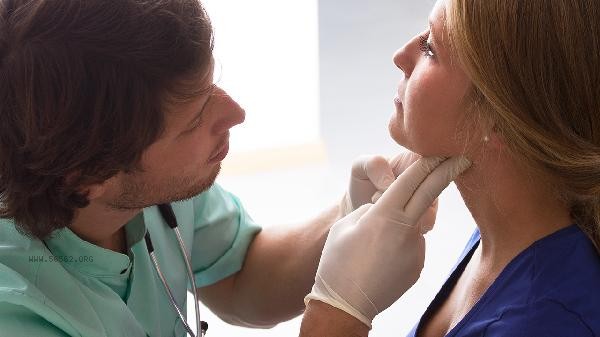
4. Nodular goiter
Multiple proliferative nodules are often associated with genetic factors and may develop cystic changes or calcification over time. Most cases do not require treatment, and surgery may be considered when the nodule diameter exceeds 30 millimeters or when compression symptoms occur. Daily vigorous neck activity should be avoided to prevent bleeding within the nodules. Ultrasound contrast can evaluate the blood supply of nodules.
5. Thyroid cancer
About 5% of thyroid nodules may have malignant transformation. When ultrasound shows suspicious features such as microcalcifications and aspect ratios greater than 1, caution should be exercised. Papillary carcinoma is the most common, grows slowly but may metastasize to cervical lymph nodes. Diagnosis requires biopsy, and treatment includes total thyroidectomy, radioactive iodine therapy, etc. Lifetime replacement therapy with levothyroxine sodium tablets after surgery.

If thyroid nodules are found to be enlarged, ultrasound should be re examined every 6-12 months to observe changes in nodule size and morphology. Avoid excessive anxiety but pay attention to follow-up. If there is a sudden increase or change in voice, seek medical attention promptly. Maintaining a balanced diet, controlling iodine intake at around 150 micrograms per day, exercising appropriately to enhance immunity, and ensuring adequate sleep are beneficial for thyroid health.








Comments (0)
Leave a Comment
No comments yet
Be the first to share your thoughts!