
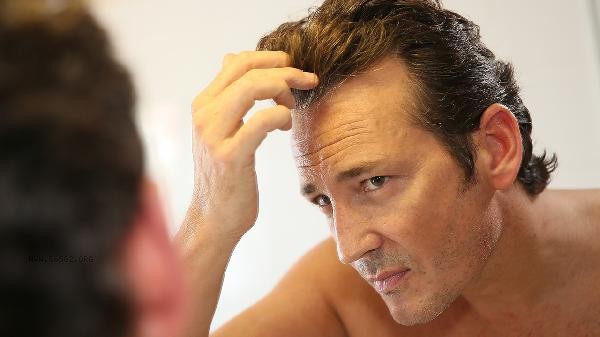
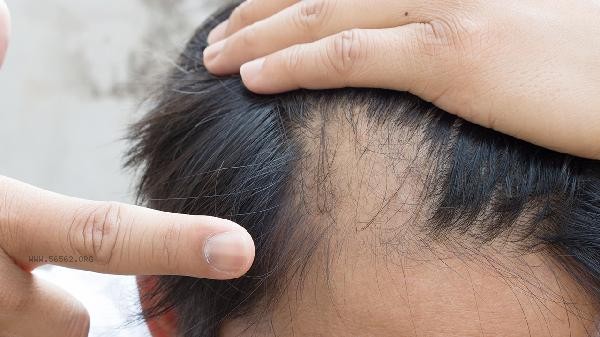
Seborrheic alopecia can be relieved by moxibustion combined with other treatment methods. Moxibustion mainly improves scalp blood circulation and regulates oil secretion by stimulating specific acupoints. Commonly used acupoints include Baihui, Fengchi, and Zusanli.

1. Moxibustion of Baihui acupoint
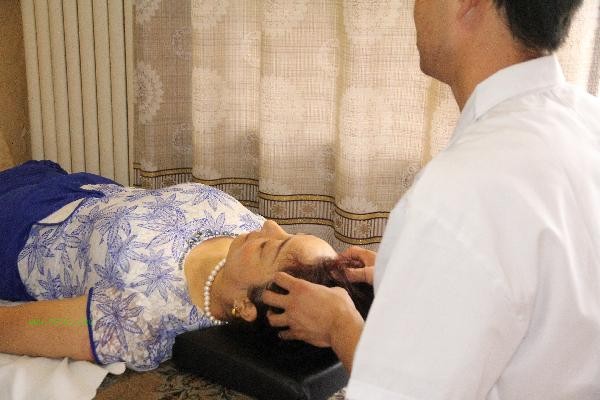
Baihui acupoint is located at the intersection of the midline of the head and the line connecting the tips of the two ears. Moxibustion at this acupoint can help enhance yang energy and improve the condition of insufficient blood supply to the scalp. During operation, the moxa stick should be suspended 3-5 centimeters above the acupoint to provide a local warmth sensation. Patients with seborrheic alopecia often have oily and itchy scalp, and moxibustion at Baihui point can assist in reducing excessive sebum secretion. Be careful to avoid burns and do it 2-3 times a week.
2. Moxibustion of Fengchi acupoint
Fengchi acupoint is located in the concave areas on both sides of the occipital bone, and moxibustion at this acupoint can unblock the meridians, qi, and blood in the head. Seborrheic alopecia may be related to endocrine disorders, and stimulating the Fengchi acupoint can regulate autonomic nervous system function. It is recommended to use rotary moxibustion during operation, lasting 10-15 minutes each time. Some patients may experience scalp tightness, which is a normal reaction. Patients with combined cervical spondylosis should carefully control the duration of moxibustion.
3. Zusanli acupoint moxibustion
Zusanli acupoint is located 3 inches below the depression on the outer side of the knee and belongs to the Foot Yangming Stomach Meridian. Moxibustion at this acupoint can invigorate the spleen and dispel dampness, and has a good effect on seborrheic alopecia of damp heat type. When using mild moxibustion, redness on the skin can be stopped. People with weak spleen and stomach can improve their digestive and absorption functions by long-term moxibustion at this acupoint, indirectly reducing scalp oil secretion. Pregnant women and individuals with abnormal blood pressure are prohibited from using it.
4. Combined with plum blossom needle tapping [SEP], before moxibustion, gently tap the hair loss area with a plum blossom needle until there is slight bleeding, which can enhance the penetration of moxibustion efficacy. This method can stimulate microcirculation around hair follicles and promote the shedding of old keratin. After operation, disinfect the scalp with alcohol and avoid washing hair within 24 hours. Do not use this method when there is acute scalp inflammation or damage.
5. Boil the dried mugwort leaves and wash them with water.
After boiling the dried mugwort leaves, filter out the medicine and rinse the scalp when the temperature is suitable. Ai Ye has antibacterial and anti-inflammatory effects, which can alleviate hair loss caused by seborrheic dermatitis. Use 2-3 times a week, and there is no need to rinse with clean water after washing. People who are allergic to mugwort may experience scalp redness and swelling, and should stop using it immediately. Patients with seborrheic alopecia should maintain a regular daily routine, avoid staying up late, and avoid high-fat diets. When washing hair, the water temperature should not be too high, and choose mild acidic shampoo products. It is recommended to have regular scalp massage to promote the absorption of nutrients by hair follicles. If hair loss continues to worsen or is accompanied by obvious erythema and scales, it is necessary to seek medical attention promptly to investigate pathological factors such as androgenic alopecia. Moxibustion treatment requires long-term persistence, usually taking more than 3 months to observe its effect. During this period, medication such as minoxidil tincture can be used in conjunction with the doctor's advice.




Comments (0)
Leave a Comment
No comments yet
Be the first to share your thoughts!