
Traditional Chinese medicine treatment of adenomyosis mainly includes Chinese medicine conditioning, acupuncture and moxibustion, moxibustion, massage and diet conditioning. Uterine adenomyosis may be related to factors such as qi and blood stasis, cold and dampness resistance, liver depression and qi stagnation, spleen deficiency and excessive dampness, and insufficient kidney yang. It usually manifests as symptoms such as dysmenorrhea, excessive menstrual flow, prolonged menstrual period, lower abdominal distension, and infertility.
1. Traditional Chinese Medicine Regulation
Traditional Chinese medicine regulation is a commonly used method for treating adenomyosis in traditional Chinese medicine, mainly improving symptoms through promoting blood circulation and removing blood stasis, warming meridians and dispelling cold, soothing the liver and regulating qi, etc. Common medications include Guizhi Fuling Wan, Shaofu Zhuyu Tang, and Taohong Siwu Tang. Guizhi Fuling Pill helps to promote blood circulation and remove blood stasis. Shaofu Zhuyu Tang can warm the meridians and dispel cold, while Taohong Siwu Tang can soothe the liver and regulate qi. Traditional Chinese medicine treatment should be based on individual constitution and disease differentiation, and it is recommended to use it under the guidance of a professional Chinese medicine practitioner.
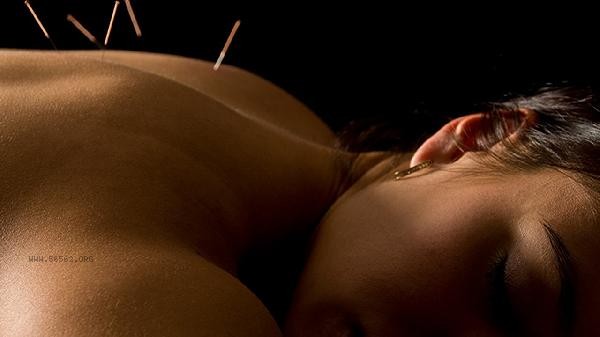
2. acupuncture and moxibustion therapy
acupuncture and moxibustion therapy can regulate the movement of qi and blood by stimulating specific points to alleviate dysmenorrhea and irregular menstruation caused by adenomyosis. Common acupoints include Guanyuan, Qihai, Sanyinjiao, and Uterine acupoints. Acupuncture and moxibustion can promote local blood circulation, reduce inflammatory reaction and improve the internal environment of the uterus. Acupuncture and moxibustion treatment needs to be performed by professional acupuncture and moxibustion, generally 2-3 times a week, and the effect is better if the treatment lasts for more than 3 months.
3. Moxibustion therapy
Moxibustion therapy uses the warmth generated by burning moxa sticks to stimulate acupoints, which has the effects of warming meridians, dispelling cold, promoting blood circulation, and removing blood stasis. Common acupoints include Shenque, Guanyuan, and Zusanli. Moxibustion can improve local blood circulation in the uterus, alleviate dysmenorrhea and menstrual discomfort. Moxibustion is easy to operate and can be performed at home, but it is important to avoid burning the skin. The duration of each moxibustion session should be controlled between 15-20 minutes.
4. Tuina Massage
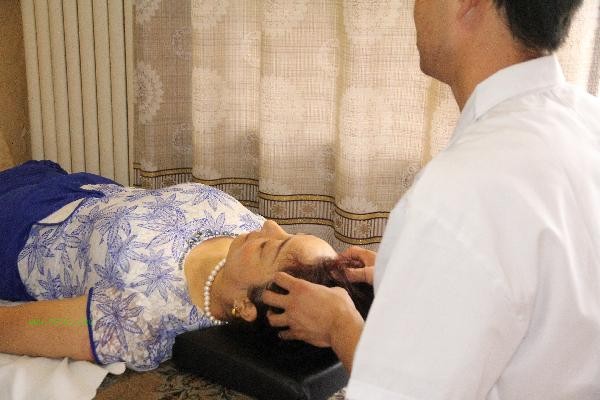
Tuina massage stimulates acupoints in the abdomen and lumbosacral region through manual techniques, promotes the circulation of qi and blood, and alleviates symptoms of adenomyosis. Common techniques include rubbing the abdomen, acupressure, and massage. Tuina can relax abdominal muscles, improve pelvic blood circulation, alleviate dysmenorrhea and menstrual discomfort. Massage should be performed by a professional masseur to avoid discomfort caused by excessive force. It is recommended to perform 10-15 sessions per course.
5. Dietary regulation
Dietary regulation helps improve symptoms of adenomyosis by adjusting the diet structure. It is recommended to consume more warm foods such as ginger, red dates, and longan, and avoid raw and cold foods such as ice cream and cold drinks. Moderate intake of vegetables and fruits rich in dietary fiber, such as pumpkins and apples, can help promote intestinal peristalsis and reduce estrogen reabsorption. Dietary regulation requires long-term adherence, and combining it with other treatment methods yields better results.
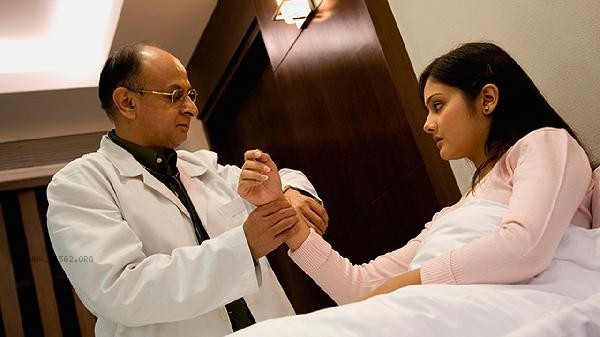
Traditional Chinese medicine treatment for adenomyosis requires individualized planning based on individual conditions, and it is recommended to undergo comprehensive conditioning under the guidance of professional Chinese medicine practitioners. In daily life, attention should be paid to keeping warm, avoiding catching a cold, maintaining a relaxed mood, and engaging in moderate exercises such as walking and yoga can help improve the circulation of qi and blood. During menstruation, it is important to avoid vigorous exercise and excessive fatigue, and ensure adequate sleep, which can help alleviate symptoms and promote recovery.





Comments (0)
Leave a Comment
No comments yet
Be the first to share your thoughts!