
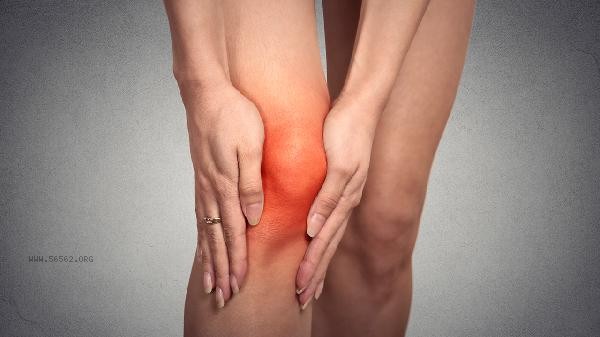
Traditional Chinese medicine mainly treats rheumatism by taking Chinese medicine orally, acupuncture and moxibustion therapy, massage, cupping therapy, dietotherapy, etc. Rheumatism belongs to the category of Bi syndrome in traditional Chinese medicine, usually caused by invasion of wind cold dampness, obstruction of qi and blood circulation, deficiency of liver and kidney, and other factors. It is manifested as joint pain, swelling, restricted movement and other symptoms.
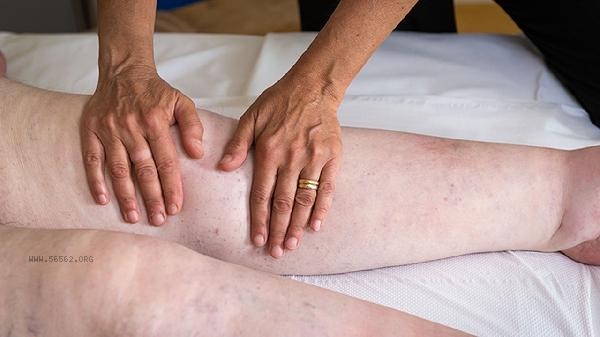
1. Oral administration of traditional Chinese medicine
Traditional Chinese medicine will prescribe personalized prescriptions based on the specific syndrome types of rheumatic diseases. Duhuo Parasitic Decoction is commonly used with modifications for wind cold dampness syndrome, Xuanbi Decoction can be used for wind cold dampness syndrome, and Sanbi Decoction is commonly used for liver and kidney deficiency syndrome. Commonly used traditional Chinese medicines include Du Huo, Sang Jishi, Feng Feng, Qin Gao and other wind and dampness removing drugs, combined with blood activating and stasis removing herbs such as Danggui and Chuanxiong. It should be decocted and taken by a traditional Chinese medicine practitioner after differentiation of symptoms, and self medication should be avoided.
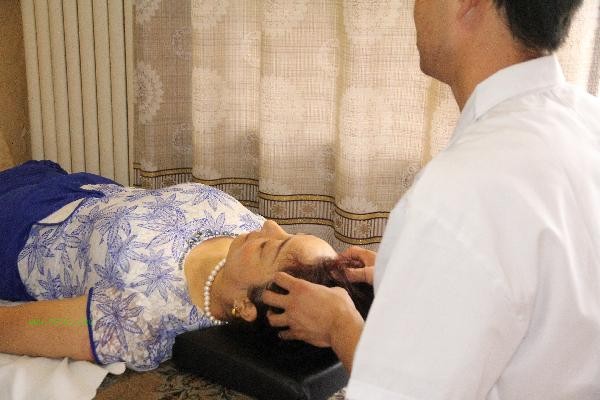
2. acupuncture and moxibustion therapy
dredges the meridians by stimulating Zusanli, Yanglingquan, Ashi and other acupoints. Warm acupuncture and moxibustion can be used for cold and wet type, and electric acupuncture is suitable for wet and hot type. Acupuncture and moxibustion can regulate immune function, improve local blood circulation, and relieve joint stiffness and pain. The treatment should be performed by a professional acupuncture and moxibustion. 10-15 times is a course of treatment. Pregnant women and those with bleeding constitution should use it cautiously.
3. Massage
Use techniques such as rolling and kneading to loosen muscle adhesions, with a focus on treating the surrounding tissues of the affected joints. Combined with media such as mugwort oil and safflower oil, it can enhance the effect of dispelling wind and cold. Tuina can promote the metabolism of inflammatory substances and improve joint mobility, but direct pressure on the affected area should be avoided when there is obvious redness and swelling during acute attacks.
4. Cupping therapy
involves leaving or removing a jar in the painful area, using negative pressure to dispel cold and dampness. Cupping the bladder meridian on the back can regulate overall qi and blood, and local cupping of joints can alleviate swelling. Patients with skin damage and high fever should not have cupping. After treatment, they should pay attention to keeping warm and avoiding wind, and take a bath 6-8 hours later.
5. Dietotherapy conditioning
Wind cold type edible ginger mutton soup, damp heat type suitable for job's tears red bean Congee, and black bean and walnut soup is suitable for those with liver and kidney deficiency. Avoid moist foods such as raw and cold seafood, and supplement with spleen and kidney strengthening ingredients such as yam and goji berries in moderation. Dietary therapy requires long-term adherence and dietary restrictions to consolidate its therapeutic effect.
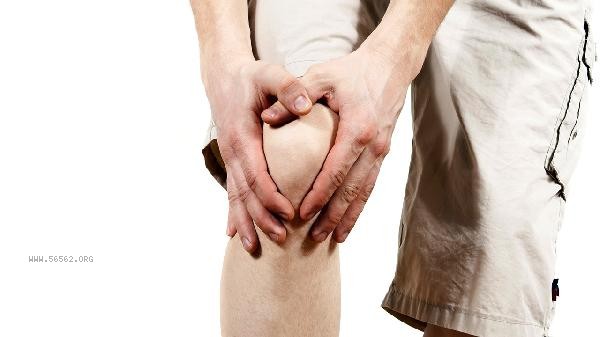
Traditional Chinese Medicine emphasizes comprehensive conditioning and individualized treatment for rheumatic diseases. During the treatment period, attention should be paid to keeping joints warm and avoiding humid environments. Moderately engage in gentle exercises such as Tai Chi and Baduanjin, and maintain a regular schedule. During acute attacks, weight-bearing activities should be reduced. If joint deformities or persistent high fever occur, timely diagnosis and treatment with a combination of traditional Chinese and Western medicine should be sought. You can use mugwort leaves and Sichuan peppercorns boiled in water to fumigate and wash the affected area in daily life to help alleviate symptoms.





Comments (0)
Leave a Comment
No comments yet
Be the first to share your thoughts!