
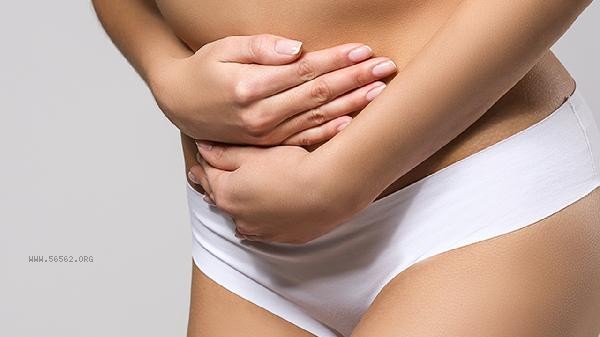
The methods of traditional Chinese medicine for pelvic inflammation include oral administration of traditional Chinese medicine, external application of traditional Chinese medicine, acupuncture and moxibustion, cupping, massage, etc. Pelvic inflammatory disease may be related to factors such as damp heat, qi stagnation, and blood stasis, and is usually manifested as lower abdominal pain, abnormal vaginal discharge, and other symptoms.
1. Oral administration of traditional Chinese medicine
Traditional Chinese medicine commonly uses formulas for clearing heat and detoxifying, promoting blood circulation, and removing blood stasis to treat pelvic inflammatory disease. Representative formulas include Yinqiao San, Shaofu Zhuyu Tang, etc. According to different types of syndromes, the damp heat type can be treated with modified Longdan Xiegan Tang, while the Qi stagnation and blood stasis type can be treated with modified Xuefu Zhuyu Tang. Traditional Chinese medicine needs to be treated based on syndrome differentiation, and specific medication should be taken under the guidance of a traditional Chinese medicine practitioner. Usually, it needs to be taken continuously for 20-40 days as a course of treatment.
2. External application of traditional Chinese medicine
Grind blood activating and stasis removing herbs into powder and apply it to the lower abdomen with yellow wine. Common medications include safflower, peach kernel, and Danshen. Ready made traditional Chinese medicine patches such as Xiaozheng Sanjie patches can also be used, once a day for 6-8 hours each time. External medication can be absorbed through the skin directly to the lesion, effectively relieving the dull pain and discomfort caused by chronic pelvic inflammatory disease.
3. acupuncture and moxibustion therapy
Select Guanyuan, Qihai, Uterus, Sanyinjiao and other acupoints for acupuncture treatment, use the method of flat reinforcing and flat reducing, and keep the needles for 20-30 minutes. For the acute phase, moxibustion at Shenque point can be combined, and for the chronic phase, moxibustion at Zusanli can be added. Acupuncture and moxibustion can regulate the Chong and Ren meridians and improve the pelvic blood circulation. It is recommended to treat 3 times a week, 8-12 times as a complete course of treatment.
4. Cupping therapy
involves applying flash cupping or retention cupping to the lower abdomen and lumbosacral region, with key acupoints including Shenshu and Ciliao. Promote the circulation of local qi and blood through negative pressure, and eliminate dampness, turbidity, and evil qi. During the acute phase, use the laxative method, while during the chronic phase, use the tonic method. Cupping should be done for 5-10 minutes each time, once every other day. Five sessions constitute one small course of treatment. Individuals with obvious blood stasis can be treated with acupuncture and cupping.
5. Tuina massage
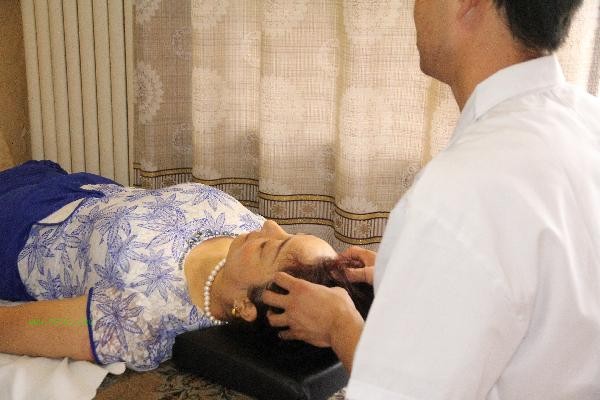
uses a combination of abdominal massage and acupoint selection for treatment. After rubbing the abdomen clockwise 100 times, the acupoints such as Guan Yuan and Gui Gui are pressed. Tuina can relieve pelvic adhesions and improve tissue nutritional status. Patients can be taught to self massage, once in the morning and once in the evening, and combined with professional massage 2-3 times a week for better results. During acute attacks, abdominal techniques should be gentle. During traditional Chinese medicine treatment, it is important to keep the abdomen warm and avoid consuming raw, cold, and spicy foods. During the acute phase, one should rest in bed, while during the chronic phase, one can practice health exercises such as the Eight Section Brocade. After 2 months of treatment, a gynecological examination should be conducted to evaluate the efficacy. If symptoms persist or worsen, a combination of traditional Chinese and Western medicine treatment should be considered. Keeping the external genitalia clean, suspending external treatment during menstruation, and establishing a regular schedule can help with disease recovery.




Comments (0)
Leave a Comment
No comments yet
Be the first to share your thoughts!