
Traditional Chinese medicine treatment of migraine mainly includes oral Chinese medicine, acupuncture and moxibustion treatment, massage, acupoint application and diet conditioning. Migraine belongs to the category of head wind and headache in traditional Chinese medicine, and is often related to factors such as wind pathogen disturbance, liver yang hyperactivity, and blood stasis.

1. Oral administration of traditional Chinese medicine
Tianma Gouteng granules can calm the liver and latent yang, suitable for migraine with liver yang hyperactivity, symptoms include headache, dizziness, irritability and irritability; Chuanxiong Tea Tiao San can relieve wind and pain, and is effective in treating headaches caused by wind pathogens attacking the meridians; Zhengtian Pill has the effect of promoting blood circulation and removing blood stasis, and is suitable for recurrent migraine of qi and blood stasis type. Dialectical selection is necessary, and common syndrome types include phlegm turbidity and obstruction, liver and kidney yin deficiency, etc.
2. acupuncture and moxibustion treatment
The main acupoints are Taiyang, Fengchi and Baihui, and the distal acupoints such as Hegu and Taichong are used. Excessive liver yang can be treated with acupuncture at the Xingjian acupoint, while insufficient qi and blood can be treated with moxibustion at the Zusanli acupoint. After needling to obtain qi, leave the needle for 20-30 minutes and treat 3-5 times a week. Clinical research shows that acupuncture and moxibustion can regulate vasomotor function and alleviate neurogenic inflammation.
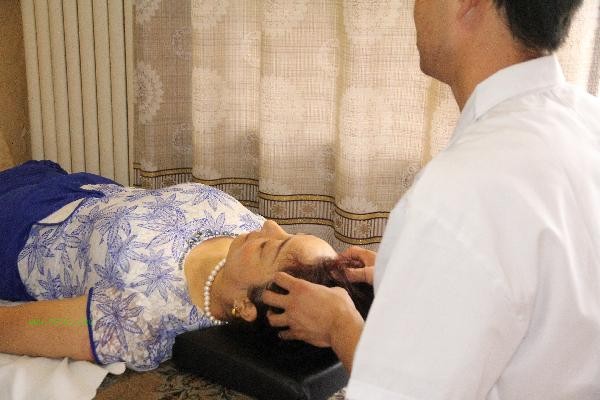
3. Massage
Use your thumb to press and massage the area connecting the temple and the Fengchi acupoint, while also kneading the neck and shoulder muscles. Press the Gu and Jiaosun acupoints for 1 minute each, with local soreness as the degree. Operating once in the morning and once in the evening can improve blood circulation in the head and neck. Pay attention to gentle techniques to avoid discomfort caused by violent pressing.

4. Acupoint application
Mix Wu Zhu powder or Bai Si Zi powder with vinegar and apply it to the temple or Yongquan acupoint. Fix with adhesive tape for 4-6 hours. Suitable for individuals with wind cold headache or deficiency cold constitution. People with skin allergies should avoid using it, and pregnant women should use it with caution. Modern research has confirmed that acupoint stimulation can affect pain transmission through neurohumoral regulation.
5. Dietary regulation
People with strong liver fire should eat heat clearing ingredients such as chrysanthemum, celery, bitter gourd, etc; People with insufficient Qi and blood can eat red dates, yams, and longan meat; Avoid foods that may trigger migraines, such as cheese, chocolate, and citrus fruits. Pair with rose, mint and other tea substitutes to avoid excessive hunger or overeating.

During the treatment period, it is necessary to maintain a regular schedule and avoid fatigue and emotional fluctuations. People with wind cold headaches should pay attention to keeping their heads warm, and those with liver yang hyperactivity should limit spicy and stimulating foods. If the headache continues to worsen or is accompanied by symptoms such as vomiting and blurred vision, timely medical attention should be sought to rule out organic diseases such as cerebrovascular disease. Traditional Chinese medicine conditioning generally needs to be maintained for 1-3 months, and it is recommended to have regular follow-up visits to adjust the plan.





Comments (0)
Leave a Comment
No comments yet
Be the first to share your thoughts!