
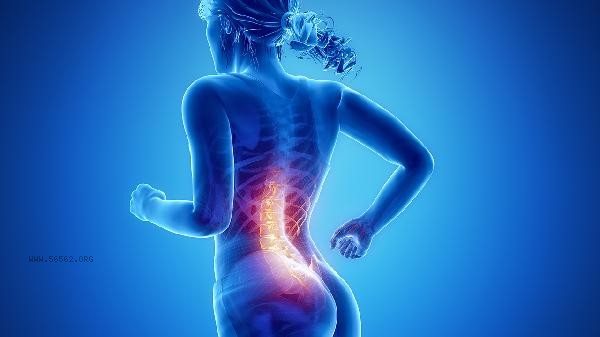
Traditional Chinese medicine can treat lumbar disc herniation through acupuncture and moxibustion, massage, oral Chinese medicine, cupping, guidance and other comprehensive interventions. This disease is often related to factors such as liver and kidney deficiency, blood stasis, and external wind cold dampness. Clinical manifestations include lower back pain, lower limb radiating pain, and restricted mobility.

1. acupuncture and moxibustion
Acupuncture is mainly focused on the Du Meridian and the Bladder Meridian, commonly used at Shenshu, Dachangshu, Huantiao and Weizhong points, and combined with electroacupuncture to enhance the analgesic effect. Cold dampness type can be treated with moxibustion at Guan Yuan point, while qi blood stasis type can be treated with triangular acupuncture for blood letting. Acupuncture and moxibustion can dredge the meridians and relieve the inflammatory edema caused by nerve root compression. In the initial stage of treatment, it is necessary to treat once a day, with 10 times as one course of treatment. After the symptoms are relieved, the treatment should be changed to the next day.
2. Massage
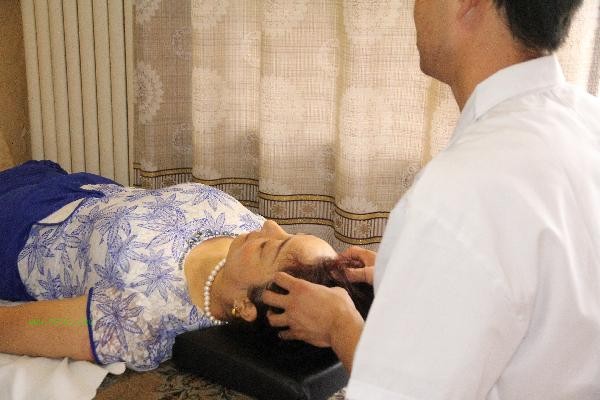
uses techniques such as rolling, pressing, and pulling to relieve spasms in the lower back muscles, combined with lumbar traction to adjust joint disorders. During the acute phase, the erector spinae muscle can be relaxed gently with a gentle motion, while during the chronic phase, lumbar rotation reduction surgery can be performed. Before and after massage, it is necessary to use a traditional Chinese medicine hot compress package for external application. The use of a hot compress formula composed of drugs such as stretching muscle grass and bone penetrating grass is more effective. It is advisable to treat for 20-30 minutes each time, three times a week.
3. Oral administration of traditional Chinese medicine
Different formulas are selected according to the syndrome type: for kidney deficiency type, Duhuo Parasitic Decoction is modified, containing Duhuo, Mulberry Parasitic, Eucommia ulmoides, etc; For qi stagnation and blood stasis type, use body pain and blood stasis removing soup, which contains Angelica sinensis, Chuanxiong, peach kernels, etc; Gan Jiang Ling Zhu Tang is used for cold and damp type. If the pain is severe, Sichuan black and grass black can be added, but the dosage and decoction time need to be strictly controlled. Take one dose of the decoction twice a day and observe its therapeutic effect for 14 consecutive days.

4. Cupping
uses the flash cupping or cupping method in the painful area, with a focus on the acupoints and tender points. Blood stasis syndrome can be treated by puncturing the collaterals and cupping. First, use a plum blossom needle to puncture and then cupping to extract the blood stasis. Cupping can improve local microcirculation. Leave the jar for 5-10 minutes each time, once every other day. People with skin damage or coagulation dysfunction are prohibited from using it, and after cupping, they need to avoid wind and cold.
5. Introduction
recommends practicing traditional martial arts such as the Eight Section Brocade "Two Hand Climbing Foot Strengthening Kidney and Waist" and the Five Birds Playing Tiger Play, combined with breathing regulation. After the acute phase, start training the lower back muscle function, such as lying down, bending knees, lifting buttocks, and performing flying swallow movements. Practice for 30 minutes every morning, with slow and gradual movements to avoid sudden twists. Long term persistence can enhance lumbar muscle strength and improve spinal stability. During the treatment period, it is necessary to rest on a hard bed and avoid catching a cold in the waist. Waist brakes can be worn. Diet should be warm and nourish the liver and kidneys. Eat more foods such as black beans, walnuts, and cow bone marrow, and avoid raw and cold foods. After the symptoms are relieved, daily activities should be gradually resumed, and heavy lifting and vigorous exercise should be avoided for six months. If there is a significant decrease in lower limb muscle strength or dysfunction of urination and defecation, modern medical diagnosis and treatment should be promptly combined. Traditional Chinese medicine treatment requires a 2-3 month cycle, and daily care can effectively prevent recurrence.





Comments (0)
Leave a Comment
No comments yet
Be the first to share your thoughts!