
The methods of Chinese medicine for insomnia mainly include Chinese medicine conditioning, acupuncture and moxibustion therapy, massage, dietotherapy, health preservation, emotional care, etc. Insomnia may be related to factors such as organ dysfunction, insufficient qi and blood, and emotional disorders. Traditional Chinese medicine helps improve sleep quality through holistic regulation.
1. Traditional Chinese Medicine Treatment
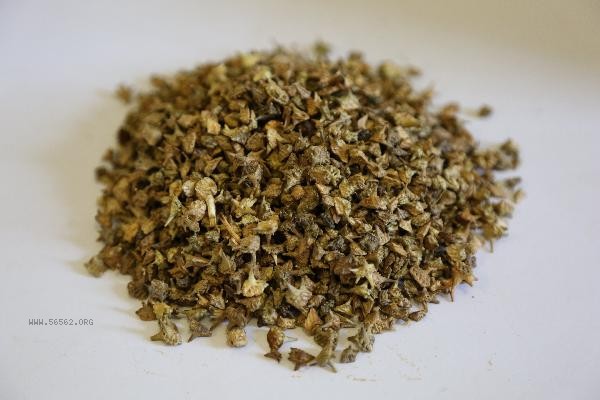
Traditional Chinese medicine commonly uses formulas such as Suanzaoren Tang, Guipi Tang, and Tianwang Buxin Dan to treat insomnia. Suanzaoren Tang is suitable for insomnia of liver and liver blood deficiency type, characterized by difficulty falling asleep, frequent dreams, and easy awakening. Guipi Tang is suitable for patients with both heart and spleen deficiency, accompanied by palpitations, forgetfulness, and loss of appetite. Tianwang Buxin Dan is effective in treating insomnia caused by heart kidney dysfunction, with common symptoms including restlessness and soreness in the waist and knees. Traditional Chinese medicine should be prescribed by a Chinese medicine practitioner based on syndrome differentiation, and self medication should be avoided.
2. acupuncture and moxibustion therapy
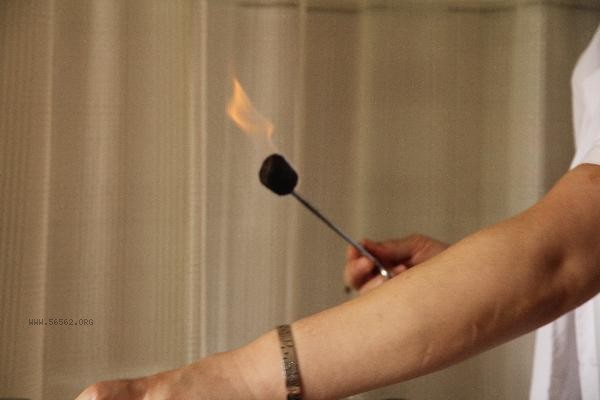
acupuncture and moxibustion regulates the movement of qi and blood by stimulating Baihui, Shenmen, Sanyinjiao and other points. For patients with both heart and spleen deficiency, the Zusanli and Spleen Shu acupoints can be added, and the Liver Stagnation and Fire Transformation type can be combined with the Taichong and Xingjian acupoints. Commonly used in clinical practice is acupuncture with filiform needles combined with moxibustion to warm and unblock meridians. Each treatment lasts 20-30 minutes, with 10 sessions constituting one course of treatment. Acupuncture and moxibustion can improve autonomic nervous function disorder and relieve anxiety.
3. Massage
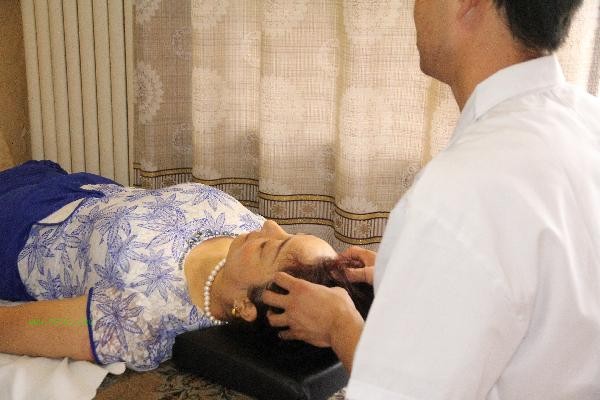
Head massage can focus on pressing the temples and Fengchi acupoints, combined with the five finger combing method to promote scalp blood circulation. Clockwise rubbing of the abdomen helps regulate spleen and stomach function, while foot massage focuses on stimulating the insomnia reflex zone. Perform 15 minutes of acupressure before bedtime every day, combined with soothing music for better results. Tuina can relax muscle tension and induce drowsiness.

4. Diet Regimen
It is recommended to eat millet Congee, lily lotus seed soup, jujube seed tea and other soothing foods. People with strong heart fire are suitable for drinking chrysanthemum and cassia seed tea, while those with insufficient qi and blood can consume longan and red date soup. Avoid spicy and stimulating foods for dinner, and drink 200ml warm milk 2 hours before bedtime to help absorb tryptophan. Dietary therapy requires long-term adherence, combined with regular sleep patterns, to achieve significant results.
5. Emotional regulation
uses the method of empathy to ease emotions, such as practicing soothing exercises like Eight Section Brocade and Tai Chi. Establish a fixed sleep schedule and avoid using electronic devices one hour before bedtime. Reduce sympathetic nervous system excitability and keep the bedroom quiet and dark through meditation breathing training. Insomnia caused by emotional factors requires psychological counseling to eliminate anxiety and depression. Traditional Chinese Medicine emphasizes individualized treatment for insomnia and recommends developing personalized plans under the guidance of professional physicians. Maintain moderate exercise such as walking and yoga in daily life, and avoid drinking strong coffee and tea before bedtime. Create a comfortable sleeping environment, with moderate mattress hardness and room temperature maintained at 20-24 degrees Celsius. Long term insomnia accompanied by symptoms such as headache and palpitations should be promptly diagnosed with organic diseases.





Comments (0)
Leave a Comment
No comments yet
Be the first to share your thoughts!