
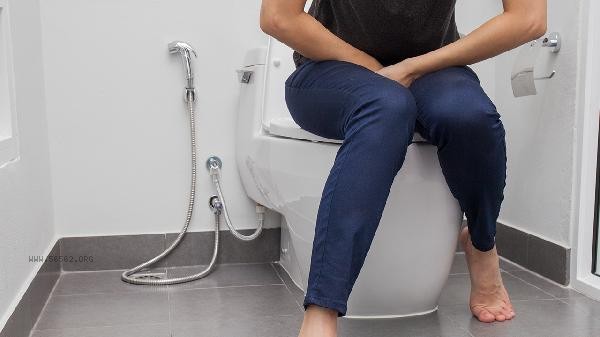
Traditional Chinese medicine treatment of high protein urine can be improved through Chinese medicine conditioning, acupuncture and moxibustion therapy, diet regulation, exercise intervention, emotional care and other ways. Hyperalbuminuria may be related to factors such as deficiency of spleen and kidney, accumulation of damp and heat, stagnation of qi and blood stasis, exogenous pathogens, chronic disease and body deficiency, and usually manifested as edema, soreness and weakness of waist and knee, turbid urine and more foam.
1. Chinese medicine conditioning
For those with spleen and kidney deficiency, traditional Chinese patent medicines and simple preparations such as Jinkui Shenqi Pill and Shenling Baizhu Powder can be used; for those with damp heat, Bazheng Granules and Sanmiao Pills can be used. Traditional Chinese medicine needs to be treated based on syndrome differentiation. Spleen deficiency type mainly focuses on strengthening the spleen and nourishing qi, kidney deficiency type emphasizes warming yang and consolidating essence, and damp heat type requires clearing heat and removing dampness. The compatibility and dosage of specific drugs should be adjusted after being diagnosed by a TCM doctor to avoid self medication.
2. acupuncture and moxibustion therapy
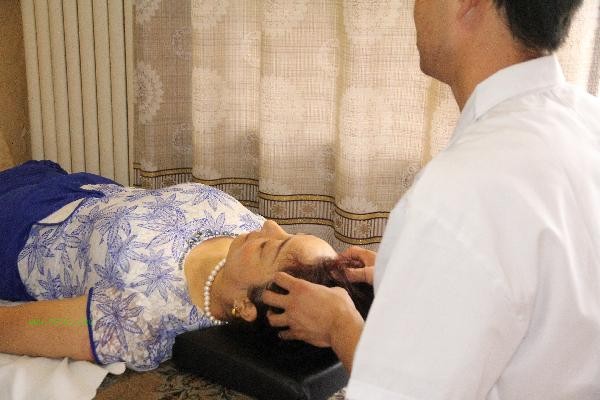
Acupuncture or moxibustion is conducted at Shenshu, Spleen Shu, Zusanli and other acupoints to regulate the functions of spleen and kidney by stimulating the meridians. Acupuncture and moxibustion can improve renal microcirculation and reduce protein leakage. It is advisable to treat 2-3 times a week. It needs to be operated by a professional acupuncture and moxibustion to avoid the application of acupuncture when the patient is on an empty stomach or excessively tired, and the treatment should be suspended for those with skin infection.
3. Dietary regulation
Control daily protein intake at 0.8-1 grams per kilogram of body weight, and prioritize high-quality proteins such as egg whites and fish. Limit salt intake to no more than 5 grams per day, and consume more spleen and kidney strengthening ingredients such as yam, water chestnuts, and lotus seeds. Avoid spicy and high purine foods, adjust water intake according to urine output, and maintain a balance between intake and output.
4. Exercise intervention
Choose Ba Duan Jin, Tai Chi isothermal and exercise, 3-5 times a week, within 30 minutes each time. The appropriate intensity of exercise is slight sweating to avoid aggravating proteinuria with vigorous exercise. Sedentary individuals should get up and move around every hour, and before going to bed, they can do waist massage to promote blood circulation. Patients with severe edema or hypertension should adjust their exercise plan according to medical advice.
5. Emotional regulation
Maintain emotional stability and avoid exacerbating anxiety and depression. Meditation and music therapy can be used to relieve stress and ensure adequate sleep. Family members should provide psychological support to help patients build confidence in treatment. Long term emotional fluctuations can be treated with traditional Chinese medicine emotional therapy such as ear acupressure to regulate autonomic nervous system function.

During traditional Chinese medicine treatment, it is necessary to regularly monitor 24-hour urinary protein quantification and follow a low salt and low-fat diet to avoid overexertion. If edema worsens or blood pressure rises, timely follow-up should be sought. Integrated traditional Chinese and Western medicine treatment can improve the efficacy. Pay attention to keeping warm and preventing colds in daily life, record daily changes in urine output, avoid eating raw, cold, greasy foods during medication, and maintain moderate exercise habits.





Comments (0)
Leave a Comment
No comments yet
Be the first to share your thoughts!