
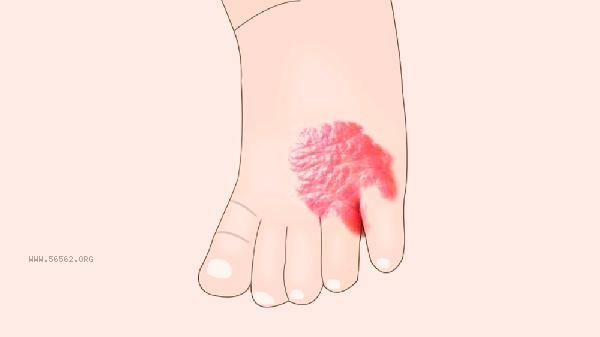
Traditional Chinese medicine treatment of hemangioma mainly includes oral administration of traditional Chinese medicine, external application, acupuncture and moxibustion, moxibustion, blood letting puncture and other methods. Hemangioma may be related to factors such as congenital deficiency, qi stagnation and blood stasis, and accumulation of heat and toxins. It usually presents as symptoms such as red spots, plaques, or bumps on the skin.

1. Oral administration of traditional Chinese medicine
Oral administration of traditional Chinese medicine is a commonly used method for treating vascular tumors, which improves symptoms by regulating qi and blood, promoting blood circulation, and removing blood stasis. Common prescriptions include Taohong Siwu Tang, Xuefu Zhuyu Tang, etc. Taohong Siwu Tang is composed of peach kernels, red flowers, Angelica sinensis, Chuanxiong, etc., which helps to promote blood circulation and remove blood stasis. Xuefu Zhuyu Tang contains ingredients such as Bupleurum chinense, Fructus Aurantii immaturus, and Paeonia lactiflora, and is suitable for vascular tumors with qi stagnation and blood stasis. Oral administration of traditional Chinese medicine should be treated based on the patient's constitution and condition, and it is recommended to use it under the guidance of a traditional Chinese medicine practitioner.
2. External application therapy
External application therapy directly acts on vascular tumors through local medication, commonly used drugs include Jinhuang powder, Bingbo powder, etc. Jinhuang San is composed of rhubarb, yellow cypress, turmeric, etc. It has the effects of clearing heat and detoxifying, reducing swelling and dispersing nodules, and is suitable for heat toxin accumulation type hemangioma. The main ingredients of Bingbo Powder are ice flakes and borax, which can cool blood, stop bleeding, and alleviate local redness and swelling caused by vascular tumors. Attention should be paid to skin reactions when applying externally. If allergies or discomfort occur, stop using immediately.
3. acupuncture and moxibustion Treatment
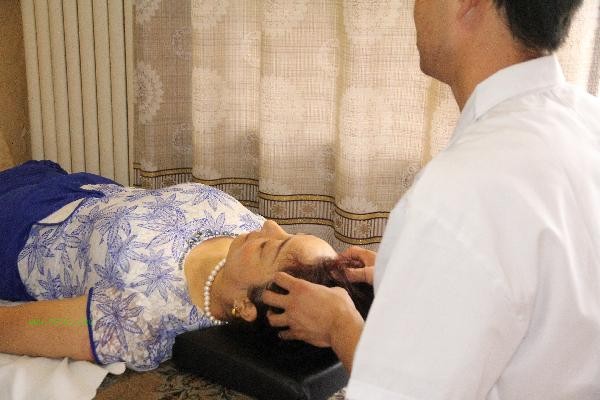
acupuncture and moxibustion regulates the movement of qi and blood by stimulating specific points. Common points include Xuehai, Sanyinjiao, Hegu, etc. The Blood Sea acupoint is located on the inner thigh and belongs to the Foot Taiyin Spleen Meridian, which can promote blood circulation and regulate meridians. San Yin Jiao is the intersection point of the liver, spleen, and kidney meridians, which can soothe the liver, regulate qi, strengthen the spleen, and dispel dampness. Hegu acupoint belongs to the Hand Yangming Large Intestine Meridian and has the function of promoting qi and blood circulation. Acupuncture and moxibustion should be operated by a professional doctor, and self attempts should be avoided.
4. Moxibustion therapy
Moxibustion uses the thermal stimulation of moxa sticks to stimulate acupoints, commonly used acupoints include Guanyuan, Qihai, Zusanli, etc. Guanyuan acupoint is located three inches below the navel and belongs to the Ren meridian. It can warm and replenish vital energy. Qi Hai acupoint is located 1.5 inches below the navel, which can nourish qi and strengthen the foundation. Zusanli belongs to the Foot Yangming Stomach Meridian, which has the effects of strengthening the spleen and stomach, supplementing the middle and nourishing qi. Moxibustion is suitable for vascular tumors of deficiency cold type, but it is necessary to avoid burning the skin.
5. Blood letting through blood vessels
Blood letting through blood vessels releases a small amount of blood by puncturing the skin around the hemangioma, achieving the goal of promoting blood circulation and removing blood stasis. Strict disinfection is required during operation, and the edge of the vascular tumor should be selected and quickly punctured with a triangular needle before squeezing and bleeding. This method is suitable for vascular tumors with obvious blood stasis, but it needs to be operated by experienced traditional Chinese medicine practitioners to avoid infection or excessive bleeding.

Traditional Chinese medicine treatment for vascular tumors should choose appropriate methods based on individual conditions. During the treatment period, spicy and stimulating foods should be avoided, and a regular daily routine should be maintained. Patients with vascular tumors need to undergo regular follow-up examinations to observe changes in their condition. If the vascular tumor grows rapidly or ruptures, they should seek medical attention promptly. Regular practice of soothing exercises such as Eight Section Brocade and Tai Chi can promote the circulation of qi and blood. Pay attention to protecting the site of the vascular malformation and avoid external impact or friction.





Comments (0)
Leave a Comment
No comments yet
Be the first to share your thoughts!