
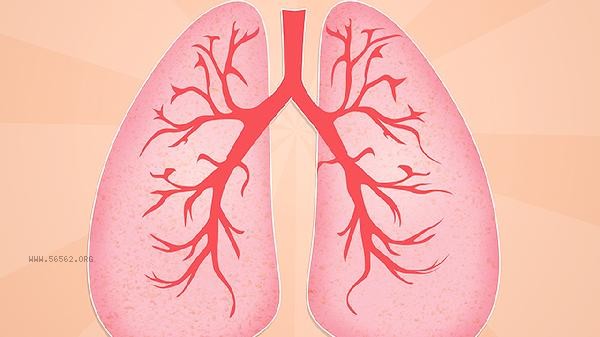
The TCM treatment methods for emphysema mainly include Chinese medicine conditioning, acupuncture and moxibustion, moxibustion, cupping, massage, etc. Emphysema is often caused by dysfunction of the lungs, spleen, and kidneys, internal obstruction of phlegm and turbidity, and qi stagnation and blood stasis. It manifests as symptoms such as cough, shortness of breath, and chest tightness. It is recommended that patients seek medical attention promptly and receive treatment based on syndrome differentiation under the guidance of professional traditional Chinese medicine practitioners.
1. Traditional Chinese Medicine Conditioning
Traditional Chinese medicine conditioning is the core method of treating emphysema in traditional Chinese medicine. Commonly used formulas include Bu Fei Tang, Su Zi Jiang Qi Tang, Ding Chuan Tang, etc. Bu Fei Tang is composed of Astragalus membranaceus, Codonopsis pilosula, Ophiopogon japonicus, etc. It is suitable for emphysema of lung qi deficiency type, and can tonify lung qi, relieve cough and asthma. Suzi Jiangqi Tang contains Suzi, almonds, tangerine peel, etc. It targets the type of phlegm stagnation obstructing the lungs, can lower qi and phlegm, promote lung circulation and relieve asthma. Dingchuan Tang is mainly composed of ephedra, almond, and licorice, which is effective in treating the cold and lung nourishing type. It can warm the lungs and dissolve fluids, relieve cough and asthma. Traditional Chinese medicine should be adjusted according to individual differences to avoid self medication.
2. acupuncture and moxibustion therapy
acupuncture and moxibustion regulates lung function by stimulating specific points, and commonly used points include Feishu, Dingchuan, Tanzhong, Zusanli, etc. The Feishu acupoint is located below the spinous process of the third thoracic vertebra on the back and can nourish lung qi. The Dingchuan acupoint is located below the spinous process of the seventh cervical spine and can relieve asthma. The Danzhong acupoint is located at the midpoint of the line connecting the two nipples and has the effect of widening the chest and regulating qi. Zusanli is located on the outer side of the calf and can invigorate the spleen and lungs. Acupuncture and moxibustion needs to be operated by a professional doctor. It is treated 2-3 times a week, and 10 times is a course of treatment. The use of laxative therapy for empirical evidence and tonifying therapy for deficiency syndrome, combined with electroacupuncture, can enhance the effect.
3. Moxibustion therapy
Moxibustion stimulates acupoints and meridians with warmth, and is suitable for emphysema of deficiency cold type. Often choose acupoints such as Dazhui, Feishu, and Gaoxian. The Dazhui acupoint is located below the spinous process of the seventh cervical vertebra, and moxibustion can warm up yang and dispel cold. Moxibustion at the Feishu acupoint can warm the lungs and reduce phlegm. The Gao Xian acupoint is opened 3 inches below the spinous process of the fourth thoracic vertebra, and moxibustion can nourish lung qi. Use ginger separated moxibustion or mild moxibustion for 15-20 minutes each time to avoid burns. People with yin deficiency and excessive fire should use moxibustion with caution to avoid worsening symptoms. After moxibustion, you can drink warm water to avoid catching a cold.
4. Cupping therapy
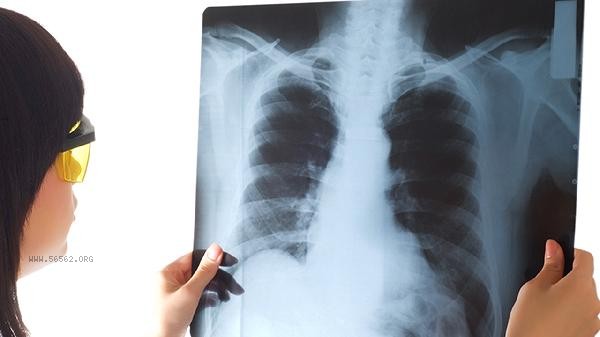
Cupping promotes the circulation of qi and blood by creating negative pressure in the back lung area, and is suitable for phlegm stasis obstructive emphysema. Often choose acupoints on the back bladder meridian such as Feishu, Xinshu, and Geshu. Use flash fire or suction method, leave the can for 5-10 minutes. Cupping can unblock meridians, eliminate phlegm and remove blood stasis, and improve microcirculation in the lungs. Do not use for individuals with skin damage or bleeding tendencies. It is normal for a purple red can mark to appear after cupping. Avoid taking a shower within 24 hours. Can be combined with the cupping method to push and pull along the bladder meridian, enhancing the effect of blood circulation.
5. Tuina Therapy
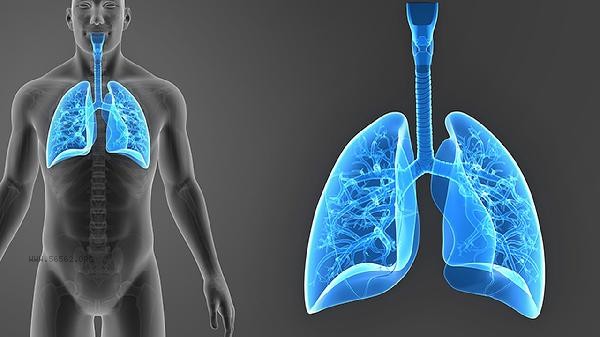
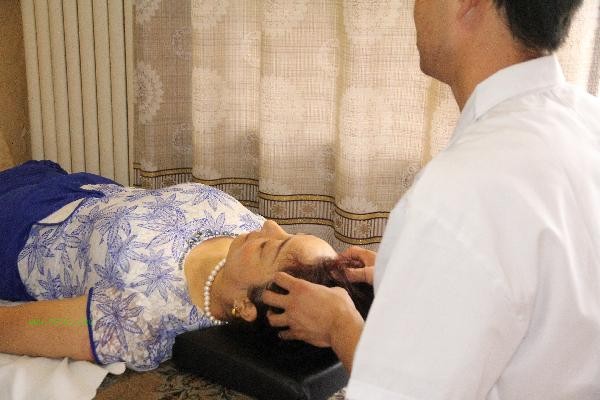
Tuina improves lung function by stimulating meridians and acupoints through manual techniques, including massaging the Danzhong acupoint, pushing and rubbing the bladder meridian on the back, and massaging the lung meridian. Rub the Danzhong acupoint with your thumb for 3-5 minutes to regulate qi and widen the chest. Rub the bladder meridian on the back with the palm root until the skin turns slightly red, which can promote lung qi. Massage the lung meridian from Shaoshang point to Chize point can help to promote lung function and relieve cough. The massage intensity is based on the patient's tolerance, once a day. During acute attacks, use vigorous techniques with caution to avoid worsening asthma. It can be combined with respiratory training to enhance the therapeutic effect. Patients with emphysema should pay attention to daily care in addition to traditional Chinese medicine treatment. Maintain air circulation in the living room but avoid direct blowing. Pay attention to keeping warm and preventing colds in winter. The diet should be light, with moderate consumption of lung moistening ingredients such as lilies, Tremella fuciformis, and yam. Avoid eating raw, cold, and spicy foods. Engage in moderate aerobic exercise such as Ba Duan Jin and Tai Chi to enhance lung function but avoid overexertion. Strictly quit smoking and stay away from secondhand smoke to reduce respiratory irritation. Regular follow-up of lung function and integrated traditional Chinese and Western medicine treatment can better control the progression of the disease. If symptoms such as worsening shortness of breath and coughing up blood occur, seek medical attention immediately.





Comments (0)
Leave a Comment
No comments yet
Be the first to share your thoughts!